How to break a bad habit
Bad habits run on cues. Find yours, avoid it where you can, add friction, line up a replacement with an if-then plan, keep count and expect slips.
Tiny nudges that keep your habits alive.
Bad habits run on cues. Find yours, avoid it where you can, add friction, line up a replacement with an if-then plan, keep count and expect slips.

Habit stacking ties a new habit to one you already do: after I X, I will Y. The formula, what research supports, examples, and how to fix a stack that fails.
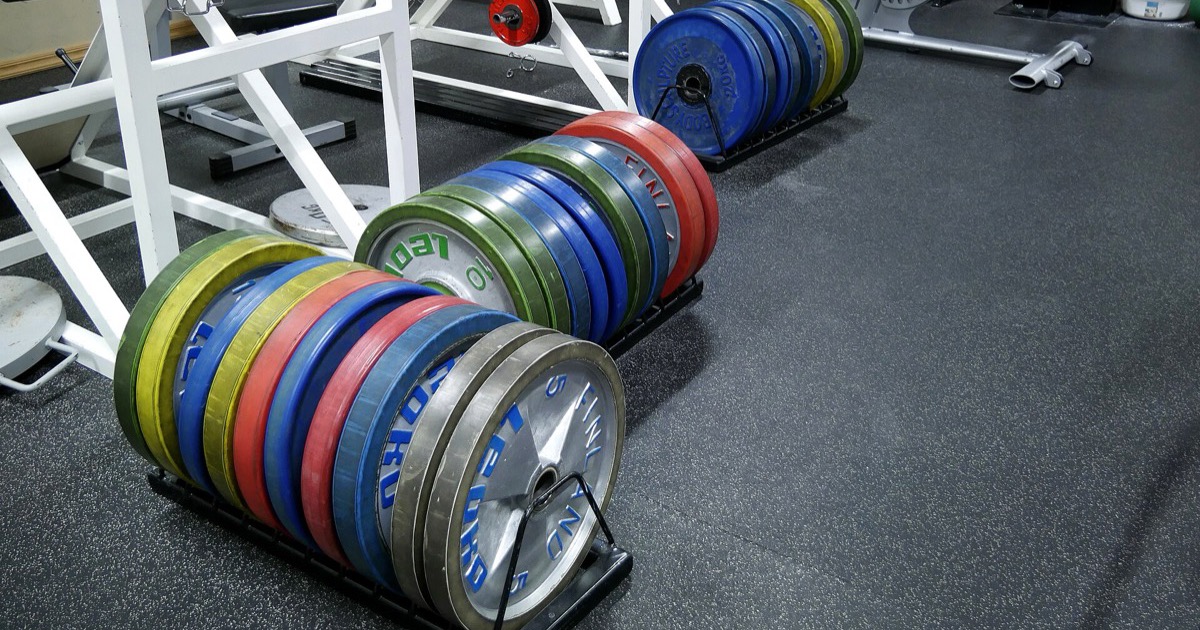
A workout habit can take two to three months to form. Pick set days, plan when and where, keep sessions easy, add a treat, and return fast after a miss.

Shrink your routine instead of skipping it, tie habits to cues that survive a busy day, plan hard days with if-then plans, and restart fast after a miss.

Thirty habits to track, grouped into health, mind, home, work, people and money, with what to count for each and how to start without burning out.

A new habit takes about two months to feel automatic, often longer. Start small, tie it to a cue, keep it easy, track it, and don't panic over one miss.