Habit tracker ideas: 30 habits worth tracking
Thirty habits to track, grouped into health, mind, home, work, people and money, with what to count for each and how to start without burning out.
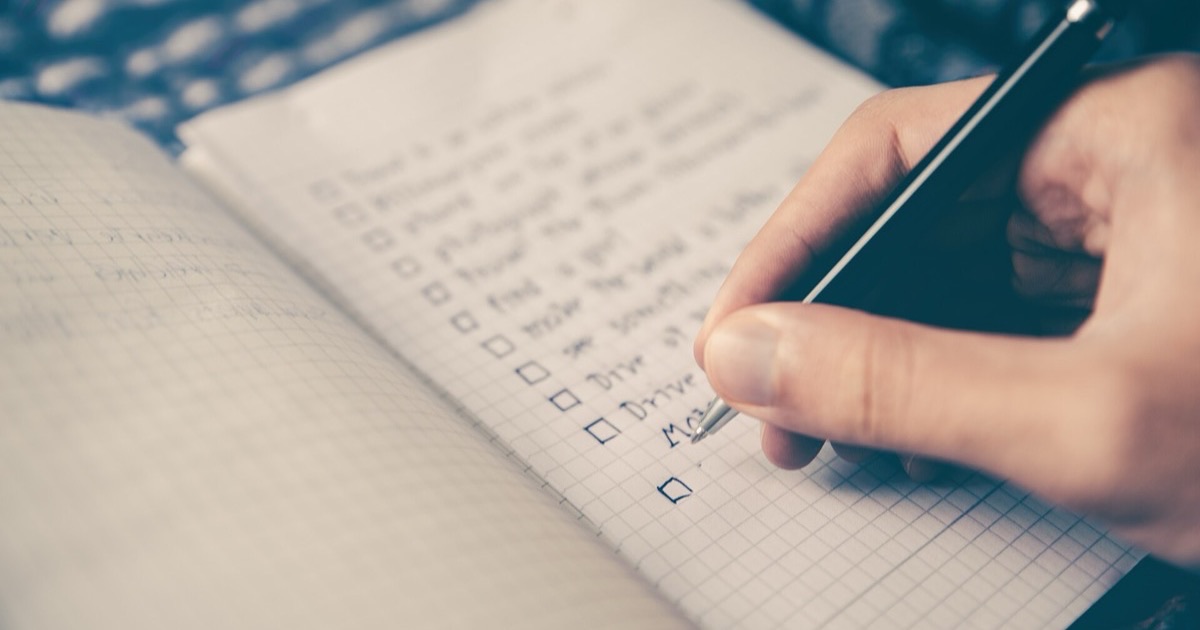
The best habits to track are small actions you can count: hours of sleep, steps, glasses of water, pages read, money set aside. Below are 30 ideas in six groups (health, mind, home, work, people and money), each with why it's worth tracking and what to count. Where a number helps, it's the figure a health body gives. Don't track all 30. Pick two or three to start, and add more once those feel easy.
Health
These are the habits with official numbers behind them. If you have a health condition or haven't been active for a while, check with your doctor before you start a new exercise habit.
1. Hours of sleep
The CDC says adults 18 to 60 need 7 or more hours a night (7 to 9 at 61 to 64, and 7 to 8 from 65), and lists going to bed and getting up at the same time every day as a healthy sleep habit. Count: hours asleep, or a tick for each night you're in bed on time.
2. Screens off before bed
The CDC's sleep tips include turning off electronic devices at least 30 minutes before bedtime. Count: a tick for each night the phone goes down on time.
3. Daily steps
In a 2020 study by NIH and CDC researchers of about 4,800 U.S. adults aged 40 and over, taking 8,000 steps a day was associated with a 51% lower risk of death from any cause than taking 4,000. The study was observational, so it can't prove cause and effect. Count: steps a day.
4. Minutes of exercise
The CDC recommends that adults get 150 minutes of moderate-intensity activity a week, or 75 minutes of vigorous activity. Count: minutes, added up each week, since the target is weekly.
5. Strength training days
The CDC also recommends at least 2 days of muscle-strengthening activity each week. Count: sessions a week, with two as the goal.
6. Glasses of water
The NHS suggests 6 to 8 cups or glasses of fluid a day, and counts water, lower-fat milk and lower-sugar drinks, including tea and coffee. Count: glasses a day.

7. Fruit and vegetables
The NHS recommends at least 5 portions of a variety of fruit and vegetables every day, and 80 g of fresh, canned or frozen counts as one portion. Count: portions a day, out of five.
8. Drink-free days
If you want to cut down on alcohol, the NHS suggests several drink-free days each week. Count: drink-free days a week.
9. Flossing
The CDC's advice for adults is to brush well twice a day and floss between your teeth. Count: a tick for each day you floss.
Mind
10. Pages read
Pages are easy to count and add up fast: ten pages a night is about 300 pages a month. Count: pages, or minutes if you listen to audiobooks.
11. Minutes of meditation
The NIH's National Center for Complementary and Integrative Health says mindfulness meditation may help reduce insomnia and improve sleep quality. Count: minutes, even if it's five.
12. A line in a journal
One sentence at the end of the day keeps the habit alive on busy days. Count: a tick for each day you write.
13. Practice time
For a language, an instrument or any skill you're learning, time spent is a fairer measure than lessons finished. Count: minutes practiced.
14. Time outside
On a desk day it's easy never to step outdoors, and a number makes that visible. Count: minutes outside, or a tick for each day you get out.
Home
15. Make the bed
It takes a minute and gives you your first tick of the day. Count: a tick each morning.
16. Clear the sink before bed
You start the next day with a clean kitchen instead of last night's dishes. Count: a tick for each night the sink is empty.
17. A ten-minute tidy
Ten minutes with a timer keeps clutter from piling up into a weekend job. Count: a tick, or minutes.
18. Dinners cooked at home
Worth tracking if you want to eat out less or spend less. Count: home-cooked dinners a week.
Work
19. Plan tomorrow before you log off
Write down the first one to three things you'll do tomorrow, so the morning starts with a decision already made. Count: a tick for each workday.
20. A focused hour
One hour on one task, with notifications off. Count: focused hours a day, or a tick when you get one.
21. Get up from your desk
The CDC's guidance says adults who sit less and do any amount of moderate or vigorous activity gain some health benefits. Count: breaks away from the desk, such as one an hour.
22. Log off on time
A set finish time shows how often work spills into your evening. Count: a tick for each day you stop on time.
People
23. Reach out to someone
The CDC says social connection can help reduce the risk of heart disease, stroke, dementia, depression and anxiety. A text, a call or a voice note counts. Count: people you contacted this week.
24. A meal without phones
Phones in another room, for one meal with the people you live with. Count: meals a week.
25. Say thank you
A short message to someone who helped you, even weeks later. Count: thank-yous a week.
26. Plans with a friend
Seeing friends usually needs a date on the calendar. Count: plans made, per week or per month.
Money
27. Write down every purchase
The Consumer Financial Protection Bureau suggests tracking your spending for a whole month rather than a week or two, and says many people who do find they spend in small ways that add up. Count: a tick for each day everything is written down.
28. No-spend days
A day when you buy nothing beyond bills already due. Count: no-spend days a week.
29. Money into savings
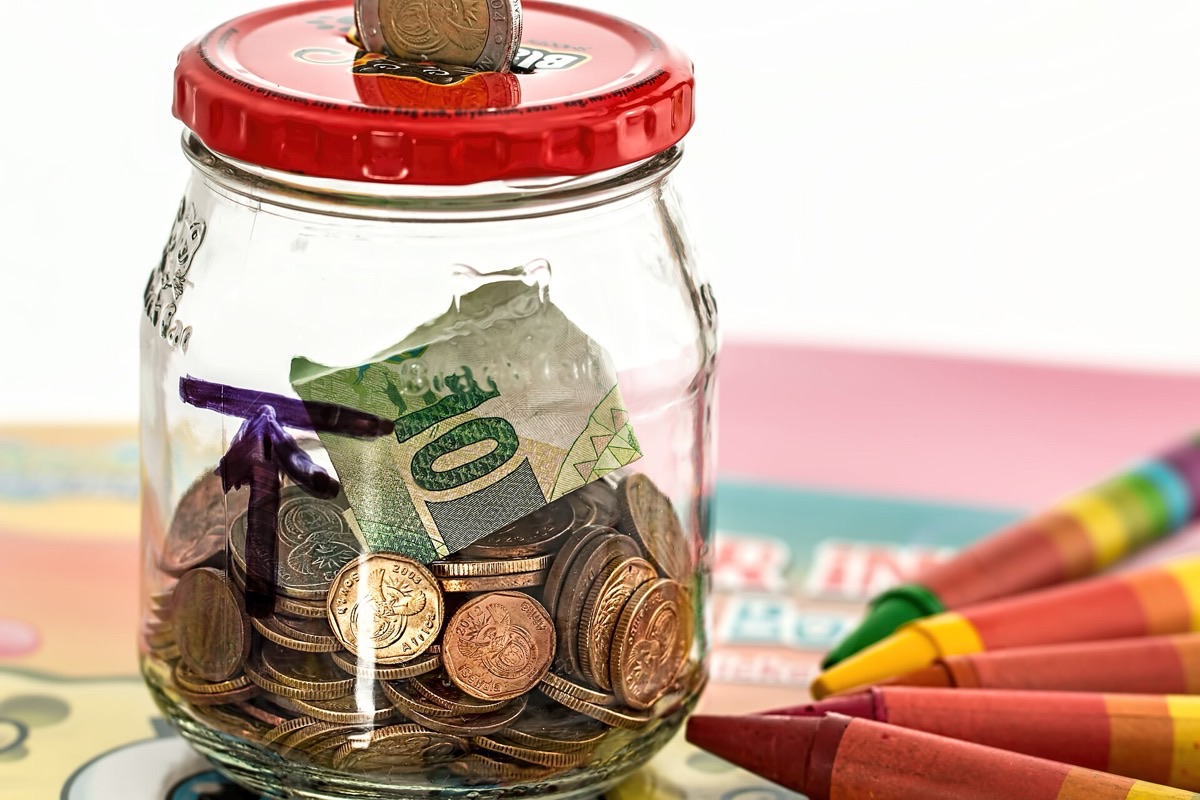
Any amount counts, moved on the same day each week or each payday. Count: the amount, or a tick each time you move it.
30. A weekly money check
Look at your balances and recent charges once a week, so nothing surprises you. Count: a tick each week.
How to track without burning out
A few rules keep a tracker useful:
- Start with two or three. Add one more only when the first ones feel easy.
- Track actions, not outcomes. A 20-minute walk is in your control; your weight or bank balance on a given day isn't. Look at those once a month instead.
- Track what you can count. A tick, a number of minutes, a number of glasses. If a habit can't be measured that simply, make it smaller until it can.
- Match the rhythm. Weekly targets, like 150 minutes of exercise, get a weekly total, so a rest day doesn't look like a miss.
- Set a floor. Decide the smallest version that still counts, such as one page or five minutes, for the days that go wrong.
- Make logging take seconds. Keep the tracker where the habit happens, or fill it in at the same time every day.
- Review once a month. Drop a habit that isn't helping, and retire one that now happens on its own.
For how long a new habit takes to stick, see how to build a habit.
Frequently asked questions
What should I put in a habit tracker?
Actions you control and can count each day or week: hours slept, steps, glasses of water, pages read, purchases written down. Keep outcomes like weight in a separate log.
How many habits should I track at once?
Start with two or three. Add one when those feel easy, and keep the list short enough to fill in within a minute.
Should I track habits daily or weekly?
Match the habit. Sleep, water and steps suit a daily number. Exercise minutes, strength sessions and drink-free days are weekly targets in CDC and NHS guidance, so a weekly total fits them better.
How do I set up a habit tracker in a bullet journal?
Draw a grid with your habits down the left side and the days of the month across the top. Fill in a box each day you do the habit, or write the number in it.
Start Streaks
Tiny nudges that keep your habits alive.
Psst is invite-only. Sign up with code STREAKS
Scan with your iPhone / Download Psst
Psst is invite-only. Sign up with code STREAKS
Sources
- About Sleep (CDC)
- Adult Activity: An Overview (CDC)
- Higher daily step count linked with lower all-cause mortality (National Cancer Institute, 2020)
- Water, drinks and hydration (NHS)
- Why 5 A Day? (NHS)
- 5 A Day: what counts? (NHS)
- Alcohol units (NHS)
- Oral Health Tips for Adults (CDC)
- Meditation and Mindfulness: Effectiveness and Safety (NIH National Center for Complementary and Integrative Health)
- Social Connection (CDC)
- Spending tracker (Consumer Financial Protection Bureau, Your Money, Your Goals)