How to break a bad habit
Bad habits run on cues. Find yours, avoid it where you can, add friction, line up a replacement with an if-then plan, keep count and expect slips.
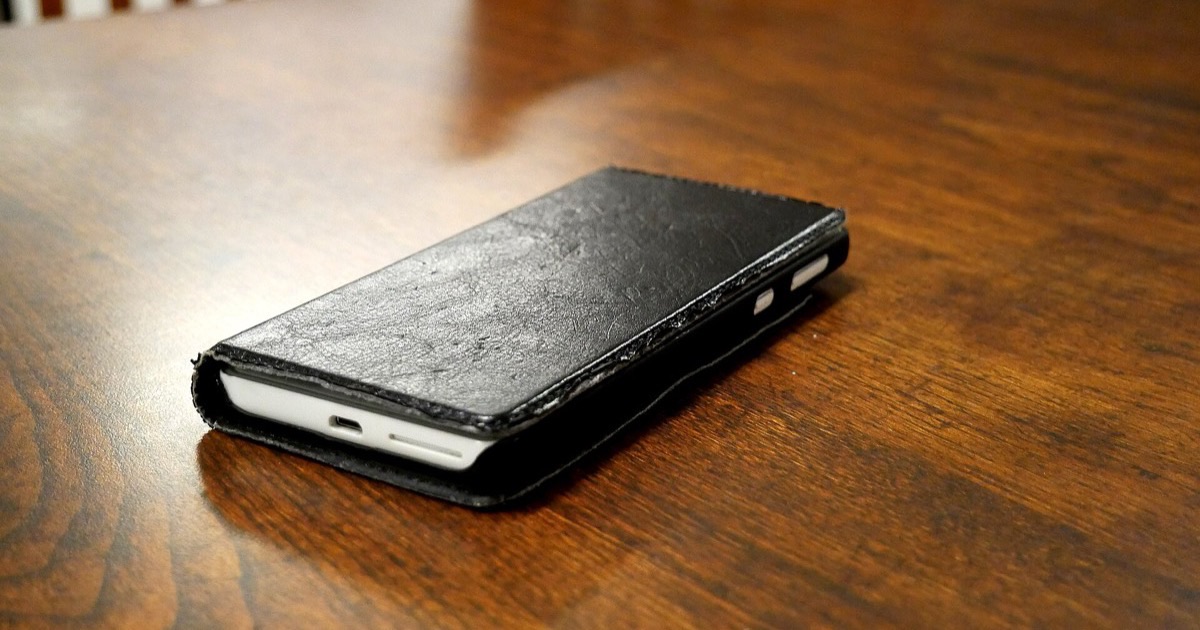
To break a bad habit, work on the situation that sets it off rather than counting on willpower. A habit is triggered by a cue: a place, a time of day, a feeling, the buzz of your phone. So the steps that tend to work go after the cue: find it, remove or avoid it where you can, make the habit harder to do, decide what you'll do instead when the urge hits, keep count, and expect a slip or two.
Why bad habits are hard to break
A habit is an action you've repeated so often in the same setting that the setting starts it for you. In two 2002 diary studies, Wendy Wood and colleagues had undergraduates at Texas A&M University report what they were doing every hour they were awake. Between a third and a half of the behaviors they listed counted as habits, done just about every day and usually in the same place.
That's why wanting to stop isn't always enough. In a 2011 study by David Neal and colleagues, moviegoers at a campus cinema got popcorn that was either fresh or popped seven days earlier. People with a strong habit of eating popcorn at the movies ate as much of the stale popcorn as the fresh, even though they disliked it. In a meeting room instead, strong-habit eaters ate less of the stale popcorn than the fresh. The habit answered to the place more than to taste.
1. Find the cue
Knowing your trigger is harder than it sounds. In two diary studies of students at Duke University and the University of North Carolina at Chapel Hill, published in 2010, Jeffrey Quinn and colleagues found that removing yourself from the situation did little to control strong habits. They suggest that's because people couldn't reliably identify the cues that set their habits off, which can be any part of the setting, such as a place or the action just before.
Spend a week noting each time the habit happens: where you were, the time, who was around, what you'd just done and how you felt. The American Academy of Dermatology's tips for nail biters include the same step: identify your triggers, whether physical, like a hangnail, or feelings such as boredom, stress or anxiety. Then look for the pattern, such as the phone check after every email.
2. Change or avoid the cue
Once you know the trigger, remove it where you can. NIH News in Health's first tip is to avoid tempting situations: if you always stop for a doughnut on the way to work, try a different route, and keep tempting items out of your home. For phone checking, turn off notifications you don't need.
Meeting fewer temptations may matter more than resisting them. In a 2017 study, Marina Milyavskaya and Michael Inzlicht surveyed 159 first-year McGill University students five times a day for a week, then measured progress on their goals at the end of the semester. Students who generally experienced fewer temptations were more likely to reach their goals, while effort spent resisting temptation was unrelated to reaching them. The study shows a link, not cause and effect.
3. Add friction
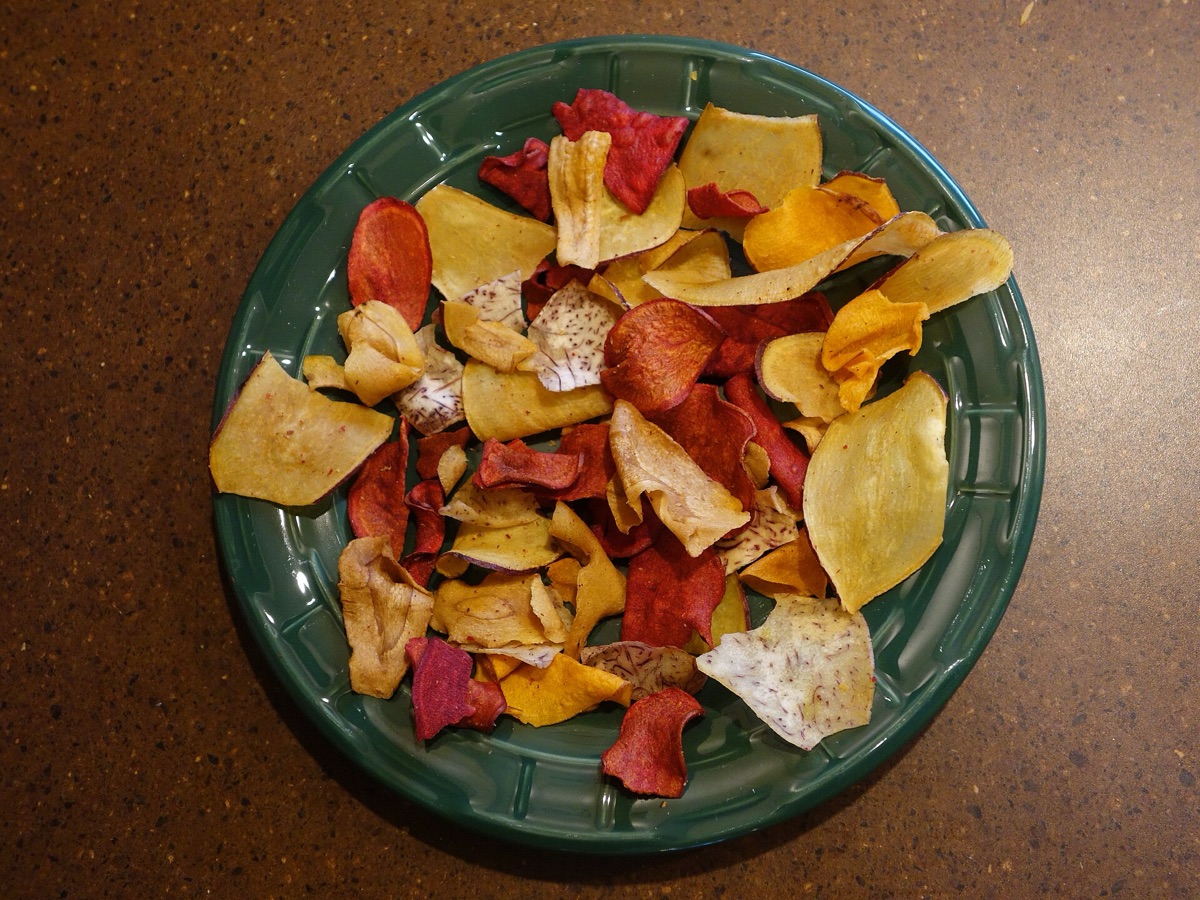
When you can't remove the cue, make the habit take more effort. A 2019 Cochrane review of randomized trials found that placing food farther away reduced how much of it people ate, in a pooled analysis of 1,098 participants, though it rated the certainty of that evidence low. Keep snacks in another room, or don't buy them.
For a phone, a 2022 trial by Jay Olson and colleagues at McGill University gave university students 10 strategies to choose from, such as turning off nonessential notifications, unlocking with a password instead of a face or fingerprint scan, moving social media off the home screen, and keeping the phone out of reach. In its second study, participants were randomly assigned to use the strategies or only track their screen time, and 70 were included in the results. After two weeks, daily screen time had dropped by an average of 57 minutes in the strategy group and 11 minutes in the tracking group.
Making the habit awkward counts too. In a second popcorn study, habitual eaters who had to use their nondominant hand no longer ate out of habit. For nail biting, dermatologists suggest short nails, a bitter-tasting nail polish, or covering your nails with tape or gloves.
4. Have a replacement ready
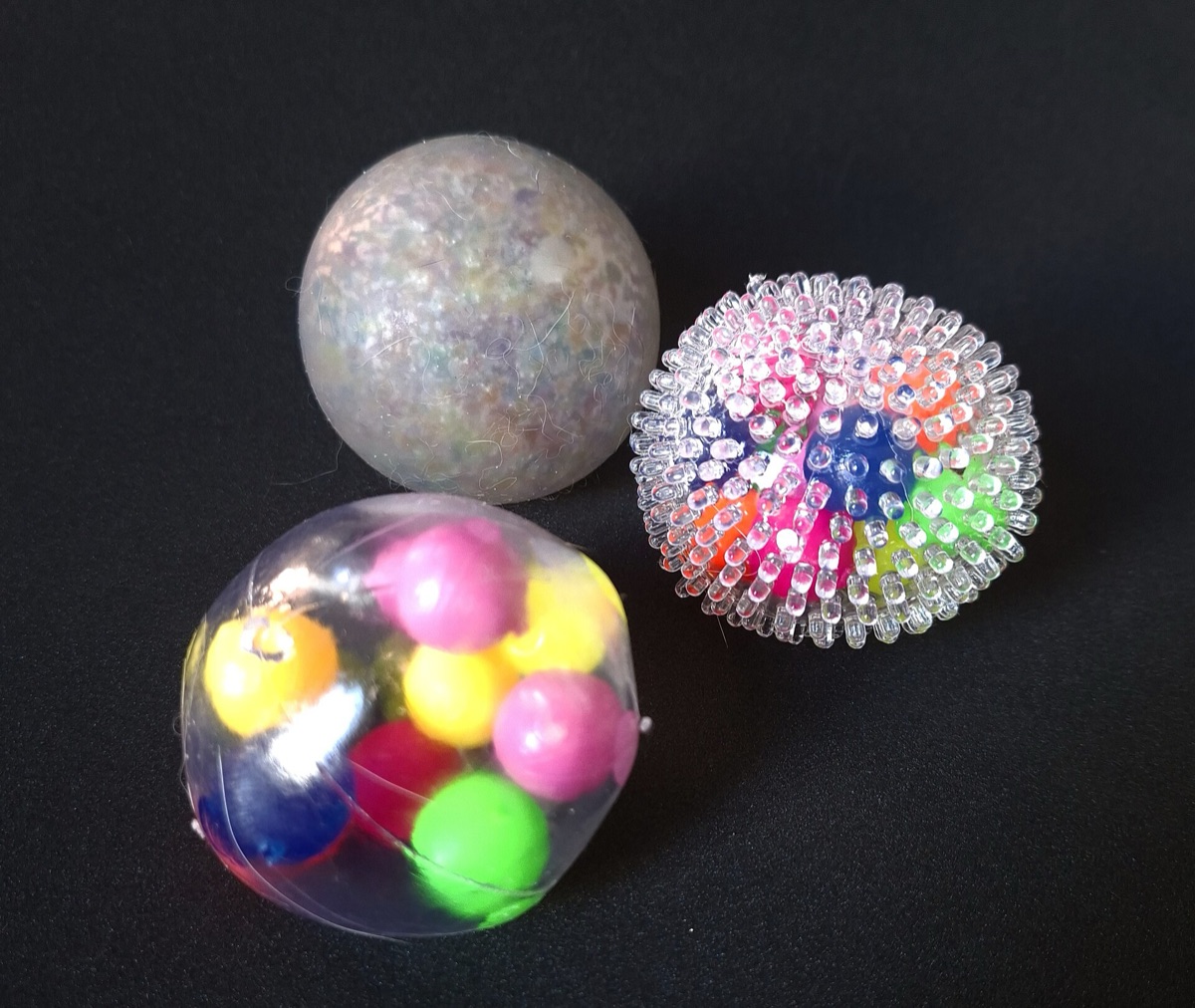
Stopping leaves a gap at the moment the cue fires, so decide what goes there. NIH News in Health suggests replacing unhealthy behaviors with healthy ones. The American Academy of Dermatology suggests that nail biters reach for a stress ball or fidget toy, which keeps the hands busy and away from the mouth.
Pick something that fits the same moment: a glass of water at snack time, a stretch when you reach for the phone, writing one sentence of the report when the urge to put off work hits.
5. Write an if-then plan that says what to do
An if-then plan pairs a situation with a response, and the wording matters. In a 2011 paper, Marieke Adriaanse and colleagues tested plans against unhealthy eating habits that were written as what not to do: "if [situation], then not [habitual response]." Compared with simply intending to change, or with a plan that named a replacement, these plans backfired, producing a rebound in both thoughts and behavior. The rebound was most likely when the habit was strong.
So write the replacement into the plan: "If it's 9 p.m. and you're on the couch, then make a cup of tea," rather than "then don't eat chips."
6. Catch it in the act, and keep count
When the cue shows up anyway, watch for the habit. In Quinn's diary studies, what worked best against strong bad habits was what the researchers call vigilant monitoring: thinking "don't do it" and watching carefully for slipups. The authors speculate it works best as a short-term bridge while a new response, repeated in the same setting, takes the habit's place.
Keep count, too. The National Institute of Diabetes and Digestive and Kidney Diseases (NIDDK), part of the National Institutes of Health, advises recording not only what you did but how you felt while doing it. A tally of each slip, with what set it off, shows which cue to work on next. Counting alone isn't the fix: in the phone trial, both groups tracked screen time, but only the strategy group cut close to an hour.
7. Plan for slips
You will slip. The NIDDK's advice: if you have a setback, don't give up. Setbacks happen to everyone, so regroup and get back to your goals as soon as you can.
Go easy on yourself. In a 2007 study of college women, researchers asked some to eat an unhealthy food, then encouraged some to think about their eating with self-compassion. Among the women who tried hardest to avoid unhealthy food, that reduced distress and how much they ate afterward. Treat a slip as information about a cue you missed, and adjust the plan.
When it's more than a habit
If you've tried again and again to stop biting your nails and can't, the American Academy of Dermatology suggests seeing a doctor. For drinking, drug use or other substance use, SAMHSA's National Helpline, 1-800-662-HELP (4357), is free, confidential and open 24 hours a day, every day of the year. If a habit affects your health, check with your doctor.
Frequently asked questions
How long does it take to break a bad habit?
An old habit doesn't simply disappear. NIH News in Health notes that replacing a habit doesn't erase the original behavior: both remain in your brain. For how long a new replacement takes to feel automatic, see how to build a habit.
Is it better to replace a bad habit or just stop?
Replace it. In a 2011 study, if-then plans that named what not to do backfired compared with plans that named a replacement.
How do I stop checking my phone so much?
Turn off nonessential notifications, keep the phone out of reach, unlock it with a password, and move social media off the home screen. In a two-week trial with university students, the group using strategies like these cut daily screen time by 57 minutes on average.
Start Streaks
Tiny nudges that keep your habits alive.
Psst is invite-only. Sign up with code STREAKS
Scan with your iPhone / Download Psst
Psst is invite-only. Sign up with code STREAKS
Sources
- Habits in everyday life: thought, emotion, and action (Wood, Quinn and Kashy, Journal of Personality and Social Psychology, 2002)
- The pull of the past: when do habits persist despite conflict with motives? (Neal, Wood, Wu and Kurlander, Personality and Social Psychology Bulletin, 2011)
- Can't control yourself? Monitor those bad habits (Quinn, Pascoe, Wood and Neal, Personality and Social Psychology Bulletin, 2010)
- What's so great about self-control? Examining the importance of effortful self-control and temptation in predicting real-life depletion and goal attainment (Milyavskaya and Inzlicht, Social Psychological and Personality Science, 2017)
- Altering the availability or proximity of food, alcohol, and tobacco products to change their selection and consumption (Hollands and colleagues, Cochrane, 2019)
- A nudge-based intervention to reduce problematic smartphone use: randomised controlled trial (Olson and colleagues, International Journal of Mental Health and Addiction, 2022)
- Planning what not to eat: ironic effects of implementation intentions negating unhealthy habits (Adriaanse and colleagues, Personality and Social Psychology Bulletin, 2011)
- Promoting self-compassionate attitudes toward eating among restrictive and guilty eaters (Adams and Leary, Journal of Social and Clinical Psychology, 2007)
- Breaking Bad Habits: Why It's So Hard to Change (NIH News in Health, January 2012)
- Changing Your Habits for Better Health (National Institute of Diabetes and Digestive and Kidney Diseases)
- How to stop biting your nails: Dermatologists' tips (American Academy of Dermatology)
- SAMHSA's National Helpline (Substance Abuse and Mental Health Services Administration)