A morning routine checklist: 10 steps in 30 minutes
A 10-step morning routine checklist to copy, with minutes for each step that add up to exactly 30, why each is there, and what to drop on a rushed day.
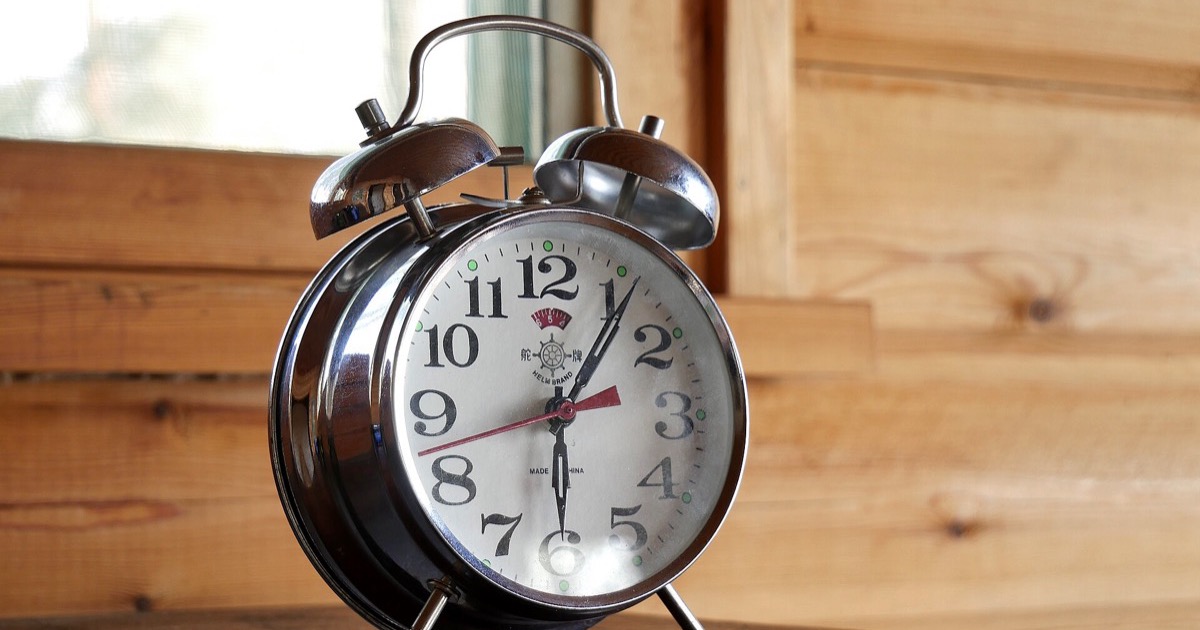
Here's a morning routine to try: ten steps that add up to exactly 30 minutes. Copy the list, swap anything that doesn't suit you, and use the shorter versions below on a rushed day. Where a health body or a study backs a step, its section says so. The rest are preferences.
The checklist
- Get up at your usual time and leave your phone where it is: 1 minute
- Drink a glass of water: 1 minute
- Open the blinds and turn on the lights: 1 minute
- Make the bed: 2 minutes
- Walk or move around: 5 minutes
- Brush your teeth and shower or wash up: 6 minutes
- Get dressed with a short news briefing or podcast on: 5 minutes
- Eat breakfast: 5 minutes
- Check your calendar and pick one priority: 2 minutes
- Step outside: 2 minutes
Total: 30 minutes.
To fit it in, set up the night before: fill the glass, lay out your clothes and decide on breakfast. Add time for kids, a dog or a commute.
Why each step is there
1. Get up and leave your phone where it is (1 minute)
The CDC lists going to bed and getting up at the same time every day among the habits that can improve sleep. The National Heart, Lung, and Blood Institute (NHLBI), part of the NIH, says to keep weeknight and weekend sleep times no more than about an hour apart.
Leaving the phone is a preference, with no health claim behind it. If it's your alarm, turn it off and put it down. You won't need it until step 7, at minute 16.
2. Drink a glass of water (1 minute)
The UK's National Health Service (NHS) says the government there recommends 6 to 8 cups or glasses of fluid a day, with tea and coffee counting. It doesn't single out the morning, so treat this glass as an easy start on the day's total.
3. Open the blinds and turn on the lights (1 minute)
The National Institute of General Medical Sciences, also part of the NIH, says light and dark have the biggest influence on circadian rhythms, the physical and mental changes you go through over a 24-hour cycle. If it's still dark when you get up, the lights are your step for now, and this winter routine has more ideas.
4. Make the bed (2 minutes)
Purely a preference: one finished job before the day asks anything of you, and the first thing to drop when you're late.
5. Walk or move around (5 minutes)
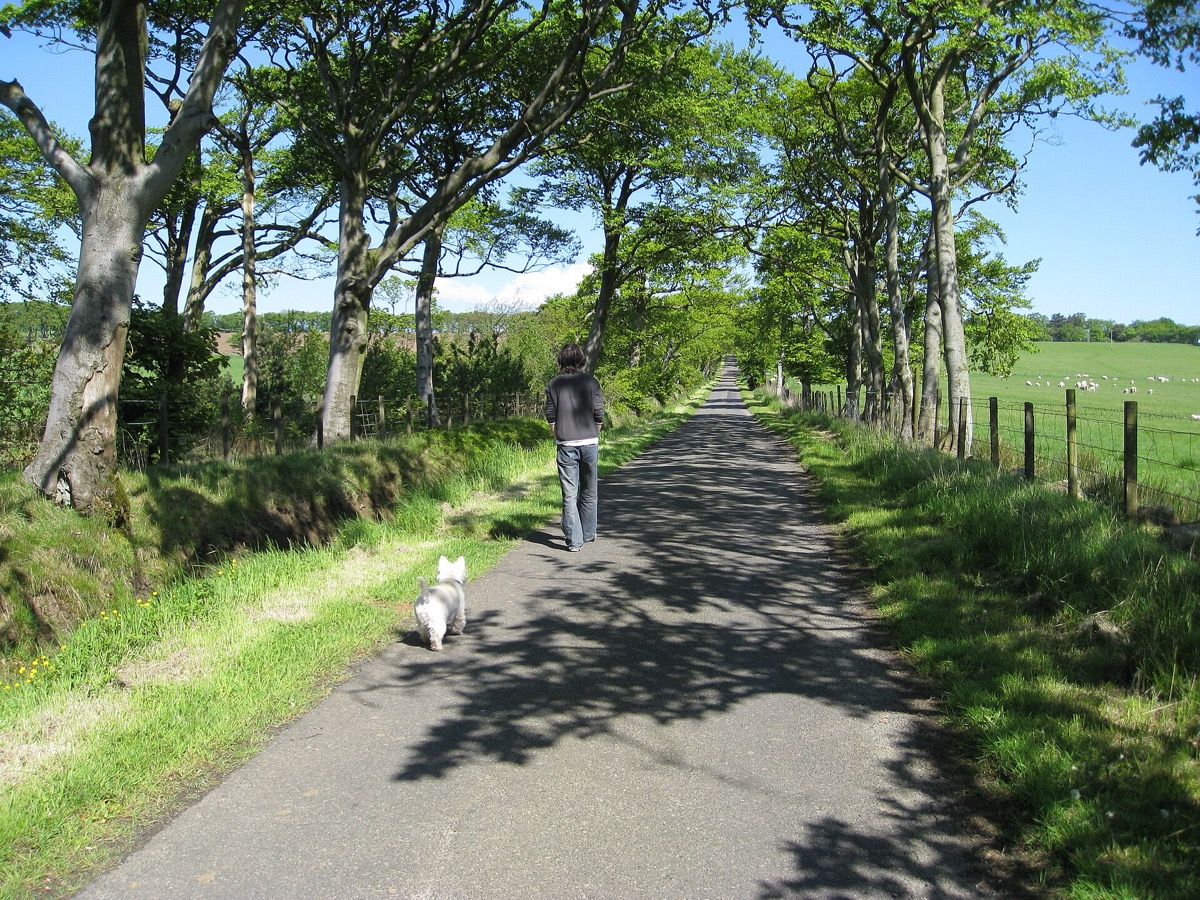
The CDC says adults need at least 150 minutes a week of moderate-intensity activity, such as brisk walking, plus at least 2 days of muscle-strengthening activity. It also says some activity is better than none and can be broken into smaller chunks. Five brisk minutes a day make 35 minutes a week, a start on that number.
Walk rather than stretch here. Mayo Clinic warns that you may hurt yourself stretching cold muscles, and suggests 5 to 10 minutes of light walking, jogging or biking first. If you've been inactive, or you have an injury or a health condition, check with your doctor before you start.
6. Brush your teeth and shower or wash up (6 minutes)
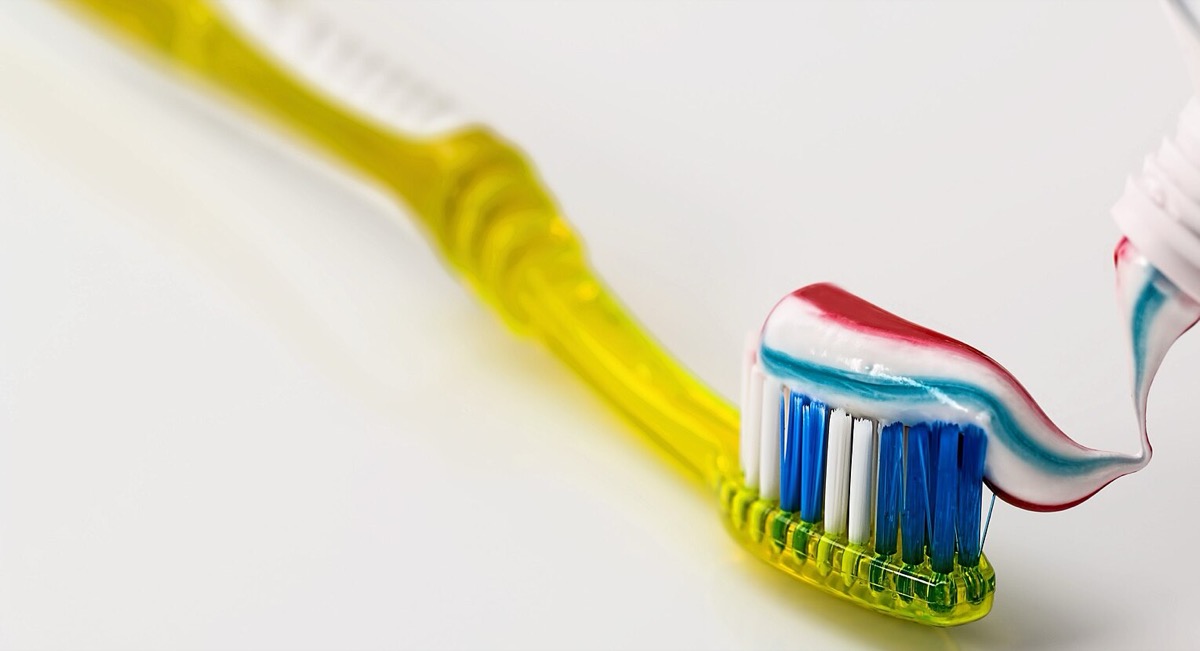
Mayo Clinic passes on the American Dental Association's recommendation: brush twice a day with fluoride toothpaste for at least two minutes each time. That leaves four minutes for a quick shower or a wash. For a longer one, borrow from step 4 or shower at night.
Mayo Clinic also says not to brush right after food or drinks with a lot of acid, such as citrus juice, and to wait an hour. It doesn't say to brush before breakfast, but this order saves that wait.
7. Get dressed with a short news briefing or podcast on (5 minutes)
Another preference. Pick a show short enough to finish, or let it run through breakfast for 10 minutes in all. This list of daily news podcasts is sorted by length. Press play and put the phone down, so you're listening rather than scrolling.
If the news gets to you, Mayo Clinic's advice for when worry about it starts to disrupt your life is to set a limit, and to consider checking once in the morning and again in the evening. Music works here too.
8. Eat breakfast (5 minutes)
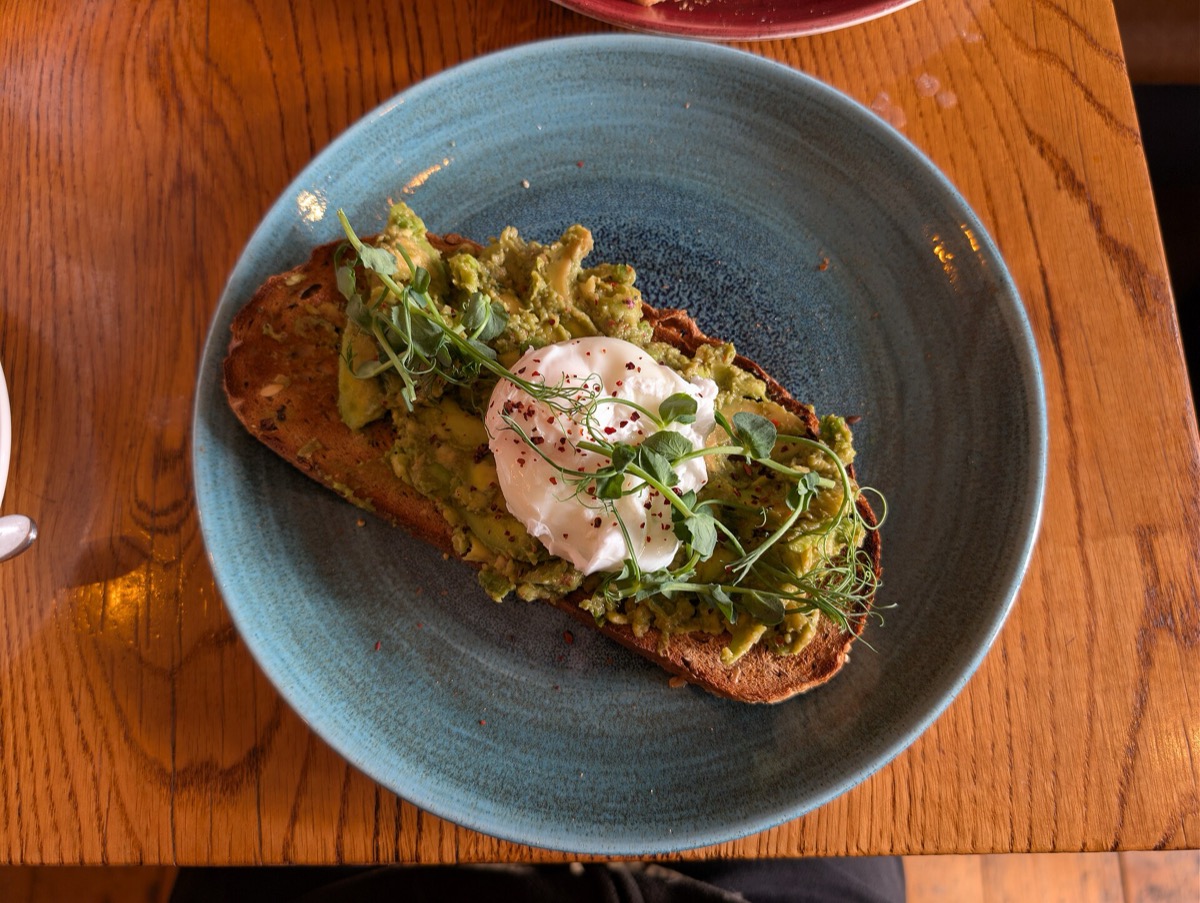
Harvard Health Publishing says swapping in or adding foods with protein, fiber and unsaturated fat can help stave off hunger until lunchtime. It suggests low-fat Greek yogurt with mixed berries and chopped nuts, or 100% whole grain toast with almond butter and sliced apple or pear.
Don't count on breakfast for weight loss, though. The NHS says not to skip it, but a 2019 review in The BMJ of 13 randomized trials in adults found that people given breakfast ate about 260 more calories a day than those who skipped it, with a small weight difference, 0.44 kg (about 1 pound), in favor of skipping. The authors rated the studies as mostly low quality and urged caution about recommending breakfast for weight loss. If you take medicine with food or manage a condition such as diabetes, ask your doctor how breakfast fits.
9. Check your calendar and pick one priority (2 minutes)
Also a preference. Look at the day ahead and decide what matters most. Two minutes is long enough to see what's coming and too short to start answering messages.
10. Step outside (2 minutes)
The NHLBI's healthy sleep habits include spending time outside every day when possible. In a study of more than 400,000 UK adults, each extra hour outdoors during the day was associated with easier getting up, less frequent tiredness and fewer insomnia symptoms. That's an association across whole days, not two minutes in the morning, so treat this step as a start. If it's still dark, save it for a walk at lunch.
What to drop on a rushed day
Drop whole steps first. The one-minute steps cost almost nothing, so they stay.
| Time you have | What changes |
|---|---|
| 21 minutes | Drop steps 4, 5 and 10 |
| 15 minutes | Also cut step 6 to teeth and a quick wash (3 minutes) and step 8 to something you can eat in 2 minutes |
| 8 minutes | Do steps 1, 2 and 3, brush your teeth (2 minutes), dress with no audio (3 minutes) and eat on the way |
Dropping step 5 doesn't have to mean losing it: take those five minutes at lunch.
How to try it
Run it as written for a week, with a timer if you want to check the numbers: these minutes are estimates, and yours will differ. Then swap any step you dread for one you'd rather do. If ten steps feels like too many, start with two or three.
Frequently asked questions
How long should a morning routine take?
As long as you can keep up. This one takes 30 minutes and comes down to 8 on a bad morning.
Should I brush my teeth before or after breakfast?
Mayo Clinic doesn't pick one, but it says to wait an hour after food or drinks with a lot of acid, such as citrus juice and soda. Brushing before breakfast saves that wait.
Is it bad to check your phone first thing in the morning?
None of the health pages cited here says so, which is why this list offers it only as a preference.
Is it OK to skip breakfast?
The NHS says not to. A 2019 review of 13 trials found people who skipped it ate less overall, with a small weight difference in their favor, though the studies were mostly low quality. If you have a health condition, ask your doctor.
Start Morning Pod
A 60-second personalized podcast that drops before you open any apps.
Psst is invite-only. Sign up with code MORNINGPOD
Scan with your iPhone / Download Psst
Psst is invite-only. Sign up with code MORNINGPOD
Sources
- About Sleep (CDC)
- Sleep Deprivation and Deficiency: Healthy Sleep Habits (NHLBI)
- Water, drinks and hydration (NHS)
- Circadian Rhythms (National Institute of General Medical Sciences)
- Adult Activity: An Overview (CDC)
- Stretching: Focus on flexibility (Mayo Clinic)
- When to brush your teeth (Mayo Clinic)
- How to ease anxiety when the news is affecting your life (Mayo Clinic)
- Break out of your breakfast rut (Harvard Health Publishing)
- 8 tips for healthy eating (NHS)
- Effect of breakfast on weight and energy intake: systematic review and meta-analysis of randomised controlled trials (Sievert and colleagues, The BMJ, 2019)
- Time spent in outdoor light is associated with mood, sleep, and circadian rhythm-related outcomes (Burns and colleagues, Journal of Affective Disorders, 2021)