A morning routine for dark winter mornings
Still dark at your alarm? Turn on bright lights, get daylight early, keep one wake time all week, and plan a slow, warm start that isn't your phone in bed.
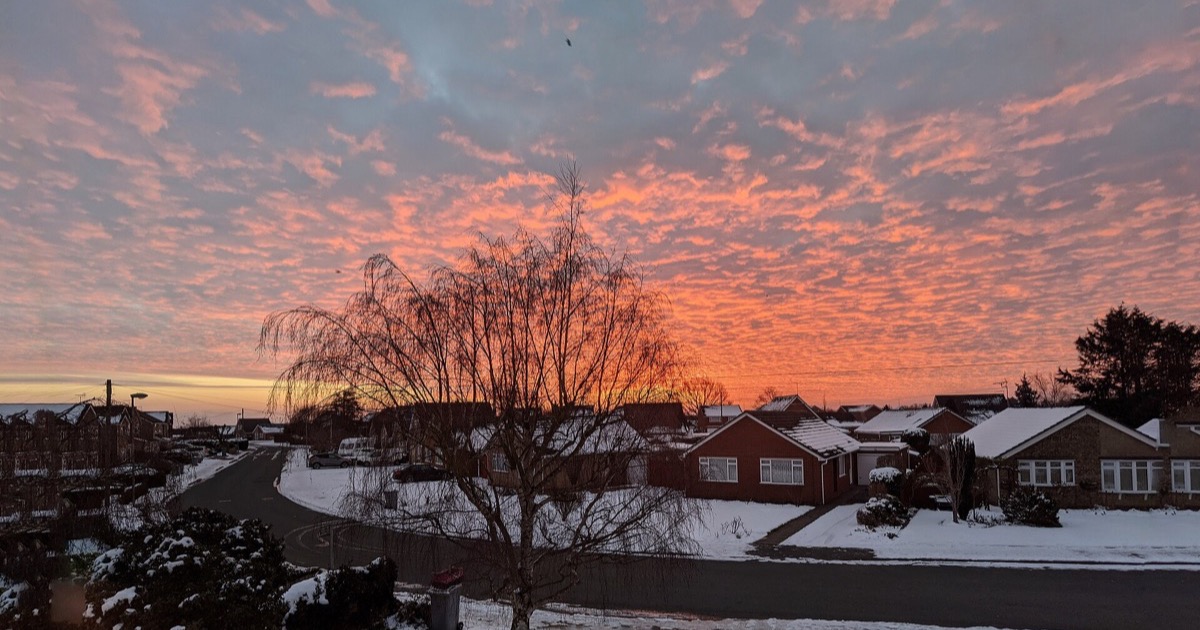
When it's still dark at your alarm, bring the light to you: switch on bright lights the moment you wake, open the curtains, and get outside in daylight as early as you can. Keep the same wake time all week, plan an easy first half hour that isn't spent scrolling in bed, warm up, move a little, and eat breakfast at a regular time. If the gloom lasts for weeks, talk to a doctor.
Why your mornings are getting darker
Daylight saving time ended at 2 a.m. on Sunday, November 1, 2026, everywhere in the US that observes it, so sunrise jumped about an hour earlier by the clock. In New York, according to the U.S. Naval Observatory, the sun rose at 7:25 a.m. on October 31 and at 6:26 a.m. on November 1.
That extra light doesn't last. New York's sunrise is at 6:33 a.m. on November 7, 7:00 a.m. by November 30, and 7:17 a.m. on the winter solstice, Monday, December 21, 2026. The shortest day isn't the darkest morning, though: New York's latest sunrise, 7:20 a.m., runs from December 30 through January 10, 2027. Times vary by place, but plan on waking in the dark for the next two months.
Bring the light to you
Light is your body clock's strongest signal. The National Institute of General Medical Sciences, part of the NIH, says light and dark have the biggest influence on circadian rhythms, and that the brain's master clock controls how much melatonin, the hormone that makes you sleepy, you produce, based on the light reaching your eyes. Harvard Health Publishing notes that blue wavelengths help during daylight hours because they boost attention, reaction times and mood, and that lots of bright light during the day helps you sleep at night.
Indoor light is dim by comparison. In a small 2017 study in Current Biology, five people camped in Colorado for a week near the winter solstice with only natural light. Their light during waking hours was more than 13 times what it had been in their usual electrically lit week, and their melatonin onset, the start of the body's biological night, came about 2.6 hours earlier.
- Light up the room at the alarm. Use the overhead light, not just a bedside lamp. A lamp on a plug-in timer, set a few minutes before the alarm, means you never wake in a pitch-dark room.
- Open the curtains before sunrise, so daylight comes in as soon as there is any, and eat breakfast by the brightest window.
- Go outside once it's light. Walk part of your commute, or take a walk at lunch if it's dark when you leave. The National Heart, Lung, and Blood Institute (NHLBI) suggests spending time outside every day.

Keep one wake time, all seven days
Dark weekend mornings make sleeping in tempting. In a summer study in the same 2017 paper, people who spent an ordinary weekend with electric light ended it with body clocks about an hour later on Monday morning. The researchers suggest a later weekend wake time may cut down on morning sunlight, the light that typically moves the clock earlier.
The NHLBI suggests keeping weeknight and weekend schedules within about an hour of each other, and the CDC says adults aged 18 to 60 need 7 or more hours of sleep. If you're short on sleep, go to bed earlier rather than sleeping in.
Plan a slow first half hour
The fog right after waking is called sleep inertia. A 2019 review in Nature and Science of Sleep describes it as a temporary spell of sleepiness, disorientation and poorer thinking, strongest in the first 30 minutes after waking, with full recovery taking at least an hour.
So don't spend that half hour under the covers with your phone. Fill it with easy jobs you chose the night before:
- Put the alarm across the room, and switch on the light as you get up to stop it.
- Pull on a robe, open the curtains, and start the kettle or the coffee.
- Spend ten quiet minutes with music, a news podcast or your calendar, and leave email and hard decisions for later.
A plain alarm clock lets your phone charge outside the bedroom, which helps at night too: the NHS advises against using smartphones right before bed.
Take the chill off
Light isn't the only cue. The NIGMS lists food, physical activity, stress, your social environment and temperature among the other things that affect circadian rhythms, and a cold house makes the bed hard to leave. If you have a programmable thermostat, set the heat to come on a little before your alarm. Keep a robe and slippers by the bed. Before you head out, the CDC suggests several loose layers, a hat, gloves or mittens, and a water-resistant coat and boots.
Move, even indoors
Movement doesn't have to be long. While it's dark, stay inside: stretches, squats, a few flights of stairs. If you walk or run before sunrise, the CDC advises pedestrians to wear reflective clothing and cross at a crosswalk or intersection when they can. A longer walk in daylight doubles as your light. If you haven't been active in a while, or have a health condition, check with your doctor first.
Eat a warm breakfast at a regular time
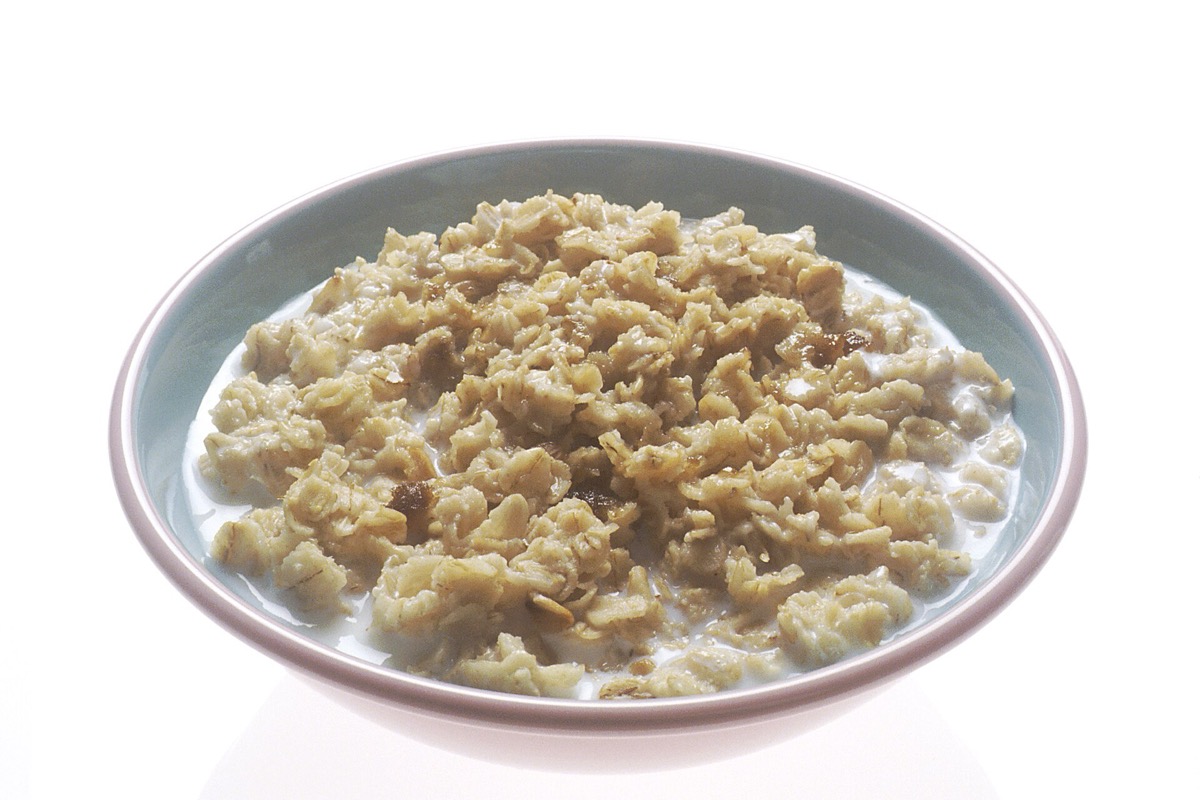
Eat at about the same time each morning, and make it warm. Oatmeal is easy: Harvard's Nutrition Source says the beta-glucan fiber in oats helps slow digestion and increase satiety, the feeling of fullness. Steel-cut oats take 25 to 30 minutes to cook, so make a pot on Sunday and reheat it. Instant oats take 1 to 2 minutes, but many brands are sweetened, so check for added sugar.
When it's more than the winter blues
Plenty of people feel down when the days get short. The National Institute of Mental Health (NIMH) calls this the "winter blues," and says that sometimes these mood changes are more serious and can affect how a person feels, thinks and behaves. That can be seasonal affective disorder (SAD), which NIMH describes as a type of depression with a recurring seasonal pattern, with symptoms lasting about four to five months a year, usually starting in late fall or early winter and lifting in spring and summer.
Beyond the signs of depression, such as a sad, anxious or empty mood most of the day, nearly every day, for at least two weeks, NIMH lists signs of winter-pattern SAD: oversleeping, overeating (especially craving carbohydrates) that leads to weight gain, and social withdrawal, feeling like you want to hibernate. It's much more common in women than in men, and more common farther north. The NHS says it's thought to be linked to reduced daylight in winter.
If this sounds like you, talk to a doctor or a mental health professional. NIMH says treatments include light therapy, psychotherapy and antidepressants. The NHS says to speak to a doctor before trying light therapy, since it might not suit people with certain eye conditions or on some medicines. If you're having thoughts of suicide, call or text the 988 Suicide and Crisis Lifeline at 988. In an emergency, call 911.
Frequently asked questions
Why is it so hard to wake up when it's dark?
Light is your body clock's main signal, and the brain's master clock sets how much melatonin, the hormone that makes you sleepy, you produce based on the light reaching your eyes. The grogginess after waking is also strongest in the first 30 minutes.
When do mornings start getting lighter again?
Not until January. In New York, sunrise keeps getting later until it reaches 7:20 a.m. on December 30 and holds there through January 10, 2027.
Should I sleep in on dark weekend mornings?
Keep it within about an hour of your weekday wake time, as the NHLBI suggests. A later weekend wake time means less morning sunlight, which can leave your body clock running later on Monday.
Is it normal to feel down in winter?
Many people feel low when the days get shorter. If a low mood lasts most of the day, nearly every day, for two weeks or more, talk to a doctor: it may be seasonal affective disorder, which can be treated.
Start Morning Pod
A 60-second personalized podcast that drops before you open any apps.
Psst is invite-only. Sign up with code MORNINGPOD
Scan with your iPhone / Download Psst
Psst is invite-only. Sign up with code MORNINGPOD
Sources
- Daylight Saving Time Rules (NIST)
- Rise and Set for the Sun for 2026, New York, NY (U.S. Naval Observatory)
- Rise and Set for the Sun for 2027, New York, NY (U.S. Naval Observatory)
- Earth's Seasons: Equinoxes, Solstices, Perihelion, and Aphelion, 2026 (U.S. Naval Observatory)
- Circadian Rhythms (National Institute of General Medical Sciences)
- Blue light has a dark side (Harvard Health Publishing)
- Circadian Entrainment to the Natural Light-Dark Cycle across Seasons and the Weekend (Stothard and colleagues, Current Biology, 2017)
- Sleep Deprivation and Deficiency: Healthy Sleep Habits (NHLBI)
- About Sleep (CDC)
- Sleep inertia: current insights (Hilditch and McHill, Nature and Science of Sleep, 2019)
- Preventing Hypothermia (CDC)
- Pedestrian, Bicycle, and Motorcycle Safety (CDC)
- Oats (The Nutrition Source, Harvard T.H. Chan School of Public Health)
- Seasonal Affective Disorder (National Institute of Mental Health)
- Seasonal affective disorder (SAD) (NHS)