High-protein meal prep ideas: 10 make-ahead dishes beyond chicken
Ten make-ahead breakfasts, lunches, dinners and snacks built on eggs, beans, lentils, tofu, fish, turkey and beef, with protein per portion and storage times.
High-protein meal prep beyond chicken works best as a mix of two kinds of food: one or two proteins you cook once, such as ground turkey, lean beef, salmon, lentils or a tray of egg muffins, and a few that need little or no cooking, such as canned tuna, beans, tofu and Greek yogurt. The 10 ideas below cover breakfast, lunch, dinner and snacks, and by USDA FoodData Central's figures most give about 17 to 25 grams of protein a portion. Eat what you refrigerate within 3 to 4 days, and freeze anything meant for later in the week on the day you cook it.
Plan the week around two cooked proteins
Pick two ideas to cook on prep day and one or two to assemble. A pan of meat sauce and a bowl of lentil salad on Sunday, for example, leave only a tuna salad to mix midweek. The Dietary Guidelines for Americans, 2025 to 2030, say every meal should prioritize protein from both animal and plant sources, and the ideas below mix both.
The protein figures are FoodData Central's, worked out for the portion given and rounded. How much you need is a personal number: how much protein do you need a day goes through it. If you have kidney disease, check with your doctor or a registered dietitian before you eat more protein. The National Institute of Diabetes and Digestive and Kidney Diseases says some people with chronic kidney disease may need moderate amounts, and that too little may lead to malnutrition.
Breakfasts
1. Egg and cottage cheese muffins
Utah State University Extension's egg and veggie muffins blend 8 large eggs with 1 cup of cottage cheese, pour the mix over chopped spinach and bell pepper in a muffin tin, top it with shredded cheese and bake at 350°F for 20 to 25 minutes, for 6 servings. With 2% cottage cheese, the eggs and cottage cheese alone give each serving about 12 grams of protein. Check that the centers reach 160°F, FoodSafety.gov's temperature for egg dishes such as frittatas. The extension says they freeze well.
2. Turkey breakfast patties
Mix a pound of ground turkey with sage, black pepper, garlic powder and a pinch of salt, shape it into 4 patties and cook them to 165°F, FoodSafety.gov's temperature for ground poultry. In FoodData Central, a patty made from 4 ounces of raw ground turkey has about 22 grams of protein once cooked. Eat one with toast, or tuck it into an English muffin, and freeze any you won't eat in 3 to 4 days.
Lunches
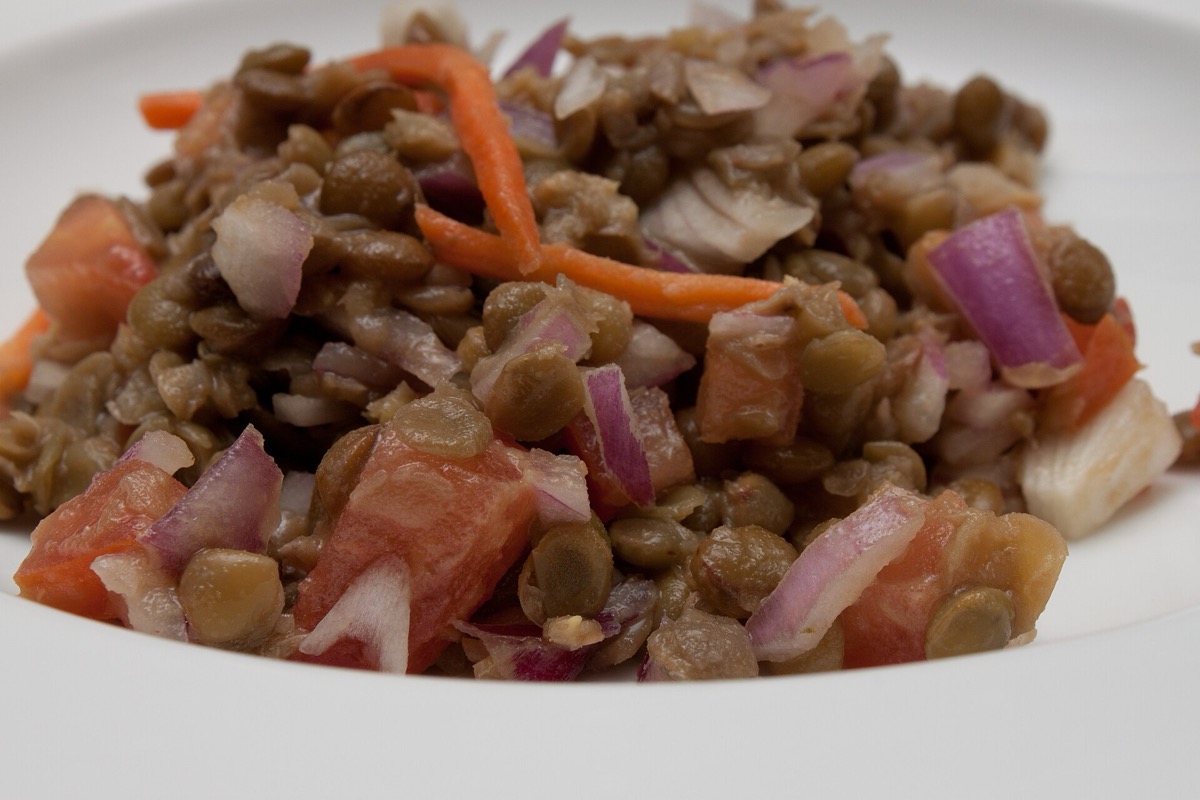
3. Lentil salad with feta
Toss 1 cup of cooked lentils per portion with cucumber, tomato, red onion, parsley, lemon juice and olive oil, then crumble an ounce of feta on top, for about 22 grams of protein. Dress it on prep day and it's ready to eat cold.
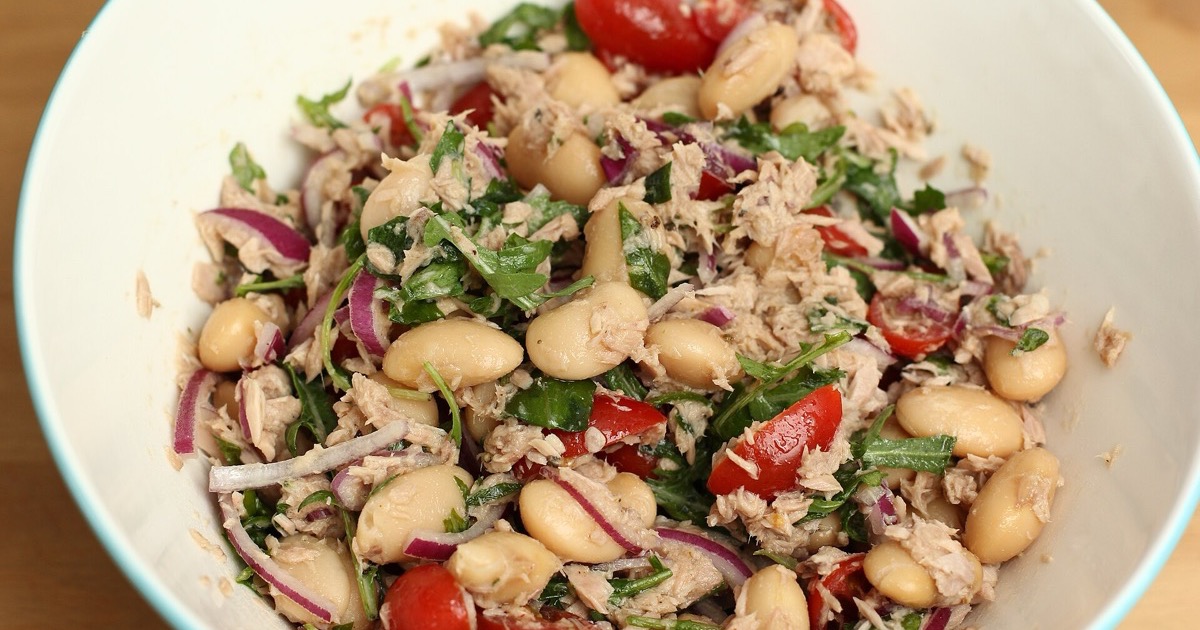
4. Tuna and white bean salad
Mix 3 ounces of drained canned light tuna with half a cup of cooked white beans, cherry tomatoes, red onion and arugula, and dress it with olive oil and lemon, for about 25 grams of protein. FoodSafety.gov gives tuna salads 3 to 4 days in the fridge and says they don't freeze well, so make only what you'll eat by midweek.
If you're pregnant or breastfeeding, the FDA and EPA's advice about eating fish is 2 to 3 servings of 4 ounces a week from its Best Choices, which include canned light tuna, or 1 serving a week from its Good Choices, which include albacore.
5. Tofu and broccoli rice bowls
Press a block of firm tofu, cut it into cubes, toss it with soy sauce and a little oil, and roast it on a sheet pan with broccoli. Pack it over rice, with the sauce in a separate jar. Half a cup of firm tofu made with calcium sulfate has about 22 grams of protein in FoodData Central, but half a cup of another firm tofu, made with calcium sulfate and magnesium chloride, has about 11, so check the label.
Dinners
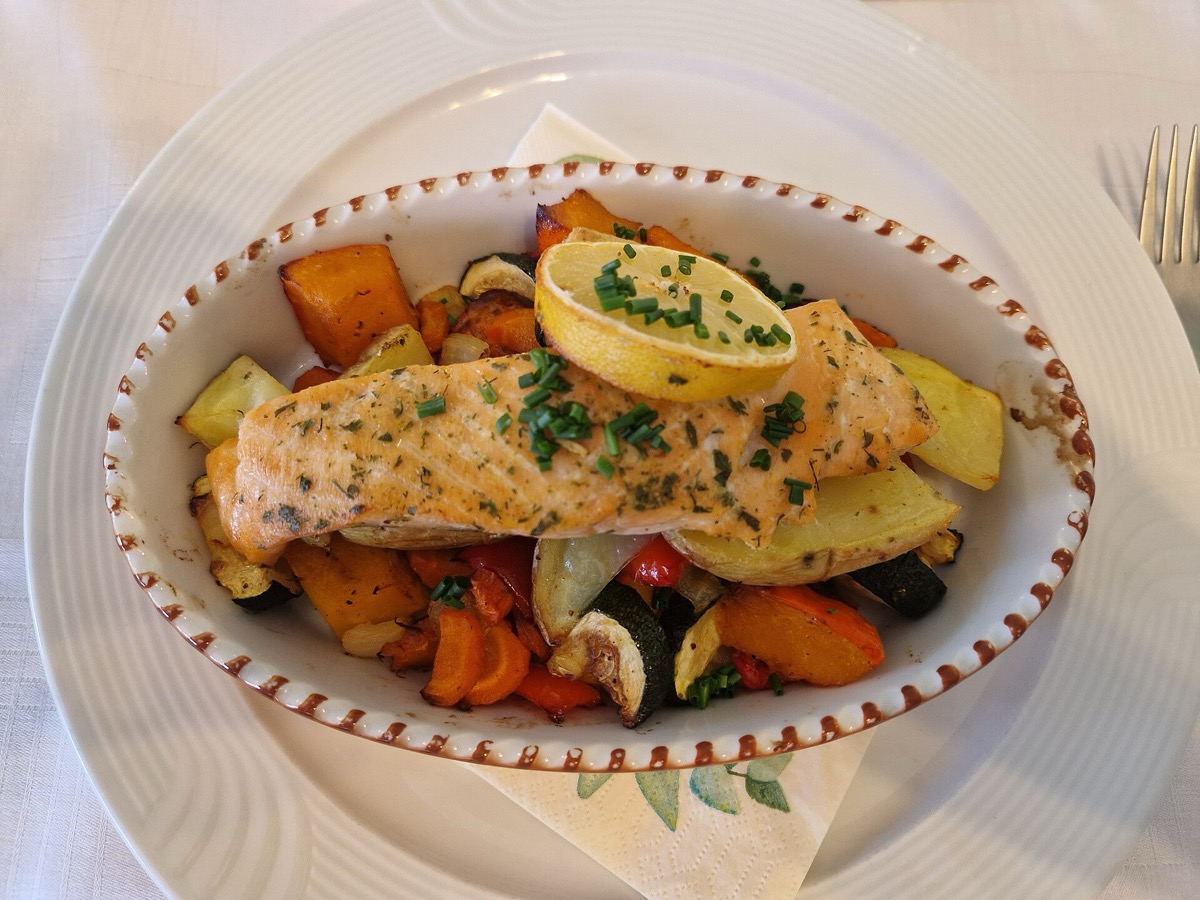
6. Sheet-pan salmon and roasted vegetables
Roast salmon fillets on a pan of cubed sweet potato, zucchini and peppers until the fish reaches 145°F, or until it's no longer translucent and separates easily with a fork, as FoodSafety.gov advises. Three ounces of cooked farmed Atlantic salmon has about 19 grams of protein. The storage chart has no row for cooked fish, so follow FSIS's rule for leftovers: 3 to 4 days in the fridge.
7. Turkey-stuffed peppers
Brown a pound of ground turkey with onion until it reaches 165°F, stir in tomato sauce and cooked rice, spoon it into the halves of 4 bell peppers and bake. In FoodData Central, a pound of raw ground turkey cooks down to about 330 grams with about 90 grams of protein, so each pepper's two halves hold about 23 grams. Raw ground poultry keeps only 1 to 2 days in the fridge, so buy it close to prep day.
8. Beef and lentil meat sauce
Brown a pound of 90% lean ground beef to 160°F, add 2 cups of cooked lentils and a jar of marinara, and simmer. FoodData Central says half a pound of raw 90% lean beef browns to 154 grams of crumbles with about 44 grams of protein. The beef and lentils together hold about 123 grams, or about 25 grams in each of 5 portions, before the marinara and the pasta add their own. Freeze the portions you won't eat in 3 to 4 days, and bring the sauce to a rolling boil when you reheat it, as FSIS advises.
Snacks
9. Greek yogurt dip with vegetables
Stir a 170-gram (6-ounce) container of plain nonfat Greek yogurt with grated cucumber, garlic, dill and lemon, for about 17 grams of protein, and pack carrots, peppers and snap peas in a separate container so they stay crisp.
10. Edamame cups
Cook a bag of frozen edamame, chill it, and portion it into small containers with salt and chili flakes. A cup of frozen edamame, prepared, has about 18 grams of protein.
How long each one keeps
| Idea | Fridge (40°F or below) | Freezer (0°F or below) | From |
|---|---|---|---|
| Egg muffins | 3 to 4 days | 2 to 3 months | FoodSafety.gov, casseroles with eggs (the closest row) |
| Tuna and white bean salad | 3 to 4 days | Does not freeze well | FoodSafety.gov, tuna salads |
| Turkey patties, stuffed peppers, meat sauce | 3 to 4 days | 2 to 6 months | FoodSafety.gov, cooked meat or poultry |
| Salmon, lentil salad, tofu bowls, edamame | 3 to 4 days | 3 to 4 months | FSIS, leftovers |
FoodSafety.gov says the freezer times are for quality only: food stored continuously at 0°F or below can be kept indefinitely. Three habits from FSIS keep the rest safe:
- Chill it fast. Refrigerate food within 2 hours of cooking, or 1 hour above 90°F. Divide big batches into shallow containers; hot food can go straight into the fridge.
- Freeze in a single layer. Spread new packages out and stack them only once they're frozen solid.
- Reheat to 165°F. Cover the food, and in a microwave check the temperature in several places, because microwaves have cold spots.
Frequently asked questions
What is a good high-protein meal prep without meat?
Lentil salad with feta (about 22 grams a portion), tofu bowls (about 22, depending on the tofu), Greek yogurt dip (about 17) and edamame (about 18). Egg muffins work too if you eat eggs.
How long does high-protein meal prep last in the fridge?
Three to 4 days for cooked leftovers, according to FSIS, and the same for tuna salad on FoodSafety.gov's chart. Freeze anything meant for later in the week on the day you cook it.
Can you freeze egg muffins?
Yes, and Utah State University Extension says they freeze well. FoodSafety.gov's closest row, casseroles with eggs, gives 2 to 3 months in the freezer after baking. FSIS says casseroles and combination meals can be reheated from frozen, which takes longer. Heat them to 165°F.
Can you meal prep fish?
Yes. Cook salmon to 145°F, refrigerate it within 2 hours and eat it within 3 to 4 days. A tuna salad also keeps 3 to 4 days in the fridge, but it doesn't freeze well.
Start Meal Prep
Weekly meal ideas for your household, so you never decide what to buy on the spot.
Psst is invite-only. Sign up with code MEALPREP
Scan with your iPhone / Download Psst
Psst is invite-only. Sign up with code MEALPREP
Sources
- Cold Food Storage Chart (FoodSafety.gov)
- Cook to a Safe Minimum Internal Temperature (FoodSafety.gov)
- Leftovers and Food Safety (USDA Food Safety and Inspection Service)
- Freezing and Food Safety (USDA Food Safety and Inspection Service)
- Egg & Veggie Muffins (Create Better Health, Utah State University Extension)
- Advice about Eating Fish (U.S. Food and Drug Administration)
- Eat Real Food: Dietary Guidelines for Americans, 2025 to 2030
- Healthy Eating for Adults with Chronic Kidney Disease (National Institute of Diabetes and Digestive and Kidney Diseases)
- Egg, whole, raw, fresh (USDA FoodData Central)
- Cheese, cottage, lowfat, 2% milkfat (USDA FoodData Central)
- Lentils, mature seeds, cooked, boiled, without salt (USDA FoodData Central)
- Cheese, feta (USDA FoodData Central)
- Fish, tuna, light, canned in water, drained solids (USDA FoodData Central)
- Beans, white, mature seeds, cooked, boiled, without salt (USDA FoodData Central)
- Tofu, raw, firm, prepared with calcium sulfate (USDA FoodData Central)
- Tofu, firm, prepared with calcium sulfate and magnesium chloride (nigari) (USDA FoodData Central)
- Fish, salmon, Atlantic, farmed, cooked, dry heat (USDA FoodData Central)
- Turkey, Ground, cooked (USDA FoodData Central)
- Beef, ground, 90% lean meat / 10% fat, crumbles, cooked, pan-browned (USDA FoodData Central)
- Yogurt, Greek, plain, nonfat (USDA FoodData Central)
- Edamame, frozen, prepared (USDA FoodData Central)