Running tips for beginners that actually help
Start with run-walk, go slow enough to talk, build up gradually, rest, warm up, wear shoes that fit, and stay seen and warm on dark November runs.

The running tips that help most in your first months are about holding back: mix running with walking, run slowly enough to talk, add time in small steps, and take rest days. Warm up, wear shoes that fit, and, now that it's November, be easy to see in the dark and dress in layers. And learn which pain means stop.
1. Walk first, then mix in running
If you aren't active now, NHS advice is to build up walking first: once you can walk for 30 to 40 minutes, you're ready for a running plan. Then follow one such as Couch to 5K, which starts with 1-minute runs followed by 90-second walks. The US Physical Activity Guidelines say walking carries a third or less of the injury risk of running, so mixing the two lets your legs adapt.
If you have a chronic condition such as heart disease, diabetes or osteoarthritis, or symptoms such as chest pain, dizziness or joint pain, talk to your doctor before you start.
2. Run slower than feels necessary
Use the CDC's talk test. During moderate activity you can talk but not sing; during vigorous activity you can't say more than a few words without pausing for a breath. The CDC counts running as vigorous, but in your first weeks, stay at a pace where you could still finish a sentence. If you can only get out a few words, slow down or walk.
3. Build up in small steps
The US guidelines explain why: the risk of injury to bones, muscles and joints rises with the gap between what you usually do and what you try next. Keep the gap small, and add minutes and days before speed. A jump is relative, too: an extra 20 minutes a week is a 10% increase for someone who already jogs 200 minutes a week, but 50% for someone who jogs 40.
The NHS suggests doing a similar run at least 3 or 4 times before you increase your pace or distance, and adding 10% or less a week. Older adults appear to need 2 to 4 weeks to adapt to a new level, the US guidelines add.
A slow build lowers the risk but doesn't remove it. In a 2008 trial of 532 novice runners in Groningen, in the Netherlands, an injury that limited running for at least a week hit 20.8% of those on a 13-week plan built on the 10% rule and 20.3% of those on a standard 8-week plan. So keep listening to your body.
4. Rest between runs, and warm up before them
Couch to 5K has you run three times a week with rest days in between. NHS inform, Scotland's health information site, advises at least one rest day a week and no training in the same sport on consecutive days. It also suggests two strength sessions a week to make muscles and tendons more resilient.
Before each run, NHS inform suggests a warm-up of about 10 to 15 minutes: brisk walking while swinging your arms, gentle jogging, then dynamic stretches such as lunges, high knees, hip circles and leg swings. Afterward, take 5 to 10 minutes to slow from a jog to a walk.
5. Run tall and relaxed
An American College of Sports Medicine guide offers a few form cues: take short, quick steps and land softly; tuck your chin and lean slightly forward from the whole body, not from the waist; and let your arms swing forward and back at your sides, not across your body. When your footsteps get louder, your steps lengthen or your arms start crossing your body, you're tired, so take a walk break. New form feels foreign at first, so bring it in gradually, in short bouts.
6. Get shoes that fit
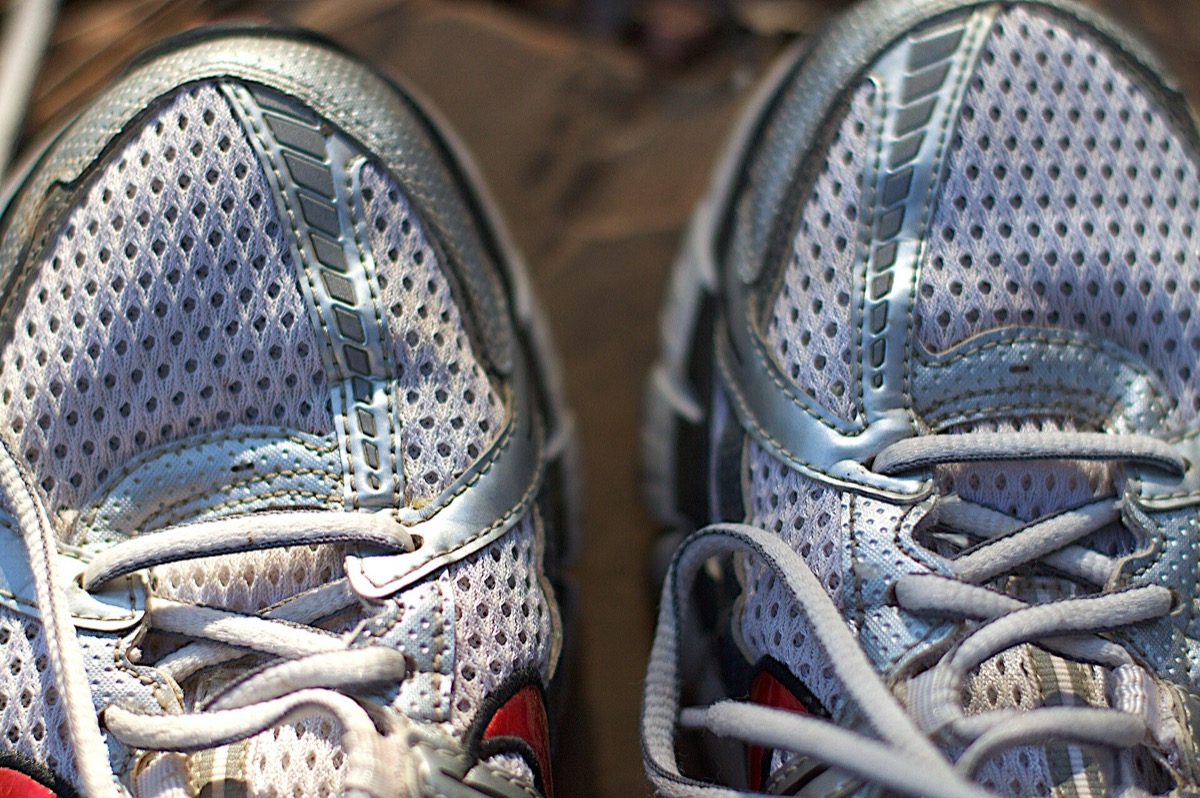
You don't need expensive shoes: the NHS says all running shoe brands make cheaper versions that suit beginners. MedlinePlus advises running shoes with good arch support and cushioning, and a fitting every year, since feet can change size even in adults. Mayo Clinic Health System adds:
- Shop late in the day, when your feet have swelled the most.
- Fit the larger foot. More than two-thirds of people have one foot bigger than the other, so try on both shoes.
- Leave half an inch between your longest toe and the front of the shoe.
- Test them. Bring your running socks and jog in the store. Shoes that feel right shouldn't need breaking in.
- Replace them after 400 to 500 miles or three to four months, or sooner if the soles look compressed or worn.
7. Be seen on dark runs
Daylight saving time ended on Sunday, November 1, so more runs before and after work now happen in the dark.
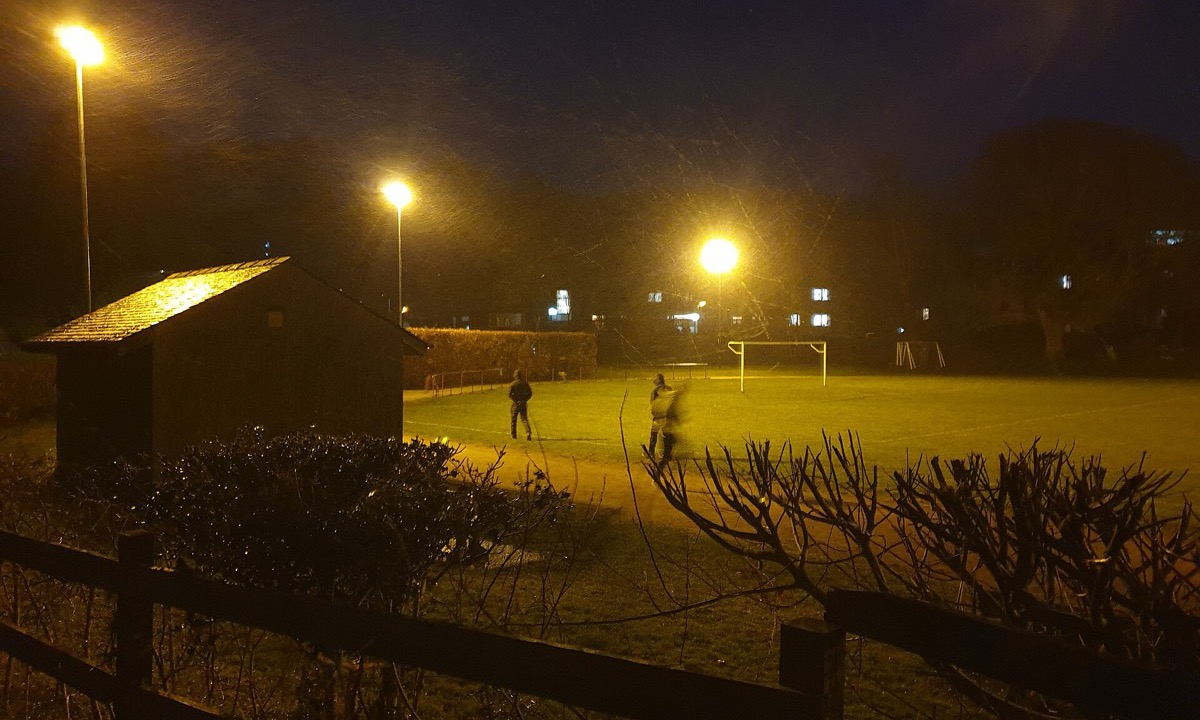
- Light yourself up. The US guidelines recommend reflective clothing and lights for early-morning and evening runs. A Mayo Clinic physical therapist suggests a headlamp and a tail light, plus bright yellows and oranges, which drivers see more easily.
- Choose your route. The guidelines suggest paths or sidewalks separated from traffic, in places that are well lit and have other people around. Where there's no sidewalk, the CDC tells walkers to face traffic and choose low-speed, low-traffic roads.
- See where you're going, as the NHS reminds runners, and watch for ice.
- Tell someone your route and when you expect to be back, or run with others, which the NHS says can make runs safer.
8. Dress in layers you can take off
Mayo Clinic calls dressing too warmly a big mistake: exercise makes you feel much warmer than it is, and then sweat chills you. Wear layers you can take off as you warm up and put back on as needed: a thin synthetic base layer that pulls sweat away (not cotton, which stays wet), fleece or wool for warmth, and a waterproof, breathable outer layer. Add thin glove liners under heavier gloves or mittens, and cover your ears.
Mayo also notes that stop-and-go exercise, such as mixing walking with running, can leave you more vulnerable to the cold, because you sweat and then get chilly. A layer you can zip up during walk breaks helps.
Below 0°F or in extreme wind chill, Mayo suggests exercising indoors. Numbness or a stinging sensation can be an early sign of frostbite: get out of the cold. Intense shivering, slurred speech and loss of coordination can signal hypothermia, which needs emergency help. If you have asthma, heart problems or Raynaud's disease, check with your doctor before exercising in the cold.
9. Drink, even when it's cold
Mayo says hydration matters as much in the cold as in the heat, and that dehydration is harder to notice in winter. Drink water before, during and after a run, even if you aren't thirsty. Harvard Health suggests sports drinks mainly when you're working especially hard and sweating for more than an hour.
10. Know soreness from pain
Harvard Health says soreness that begins 12 to 24 hours after exercise is normal. Pain is different:
- Don't run through pain. The NHS says not to run if you're in pain, and to start again only once you've recovered. Harvard adds that exercise should never make your joints hurt.
- See a doctor for intense or persistent muscle pain that starts during a run or right after it, or soreness that lasts more than one to two weeks, Harvard advises. The NHS says a severely painful or swollen knee, or a sudden, sharp pain at the back of the ankle, which may mean a torn Achilles tendon, needs a doctor straight away.
- Call your doctor or 911 for marked dizziness or faintness, chest pain, or significant or persistent shortness of breath.
Frequently asked questions
How often should a beginner run?
Three times a week, with a rest day between runs, as Couch to 5K does.
How fast should a beginner run?
Slowly enough to talk in sentences. If you can only manage a few words between breaths, slow down or walk.
Is it normal to be sore after running?
Yes, if it starts 12 to 24 hours later. Pain during a run isn't normal, so stop. See a doctor for intense pain during or right after a run, or soreness that lasts more than one to two weeks.
Start Running Club
A running plan that builds toward your race one week at a time, with friends who run it too.
Psst is invite-only. Sign up with code RUNCLUB
Scan with your iPhone / Download Psst
Psst is invite-only. Sign up with code RUNCLUB
Sources
- Physical Activity Guidelines for Americans, 2nd edition (US Department of Health and Human Services, 2018, PDF)
- Get running with Couch to 5K (NHS)
- How to reduce your risk of injury from exercise or physical activity (NHS inform)
- Knee pain and other running injuries (NHS)
- How to Measure Physical Activity Intensity (CDC)
- No effect of a graded training program on the number of running-related injuries in novice runners: a randomized controlled trial (Buist and colleagues, American Journal of Sports Medicine, 2008)
- Healthy Habits for Distance Running (Heather K. Vincent and Kevin R. Vincent, American College of Sports Medicine, 2022)
- Ready to Run: Mayo Clinic Health System gives tips on choosing the right running shoes (Mayo Clinic News Network, 2023)
- Exercise clothing and shoes (MedlinePlus, National Library of Medicine)
- Daylight Saving Time Rules (National Institute of Standards and Technology)
- Making Walking and Rolling Safer (CDC)
- Running and Exercising in the Cold (Mayo Clinic News Network, 2015)
- Exercising outdoors in winter (Mayo Clinic Orthopedics and Sports Medicine)
- Avoid workout injuries (Harvard Health Publishing)