Meal prep ideas with chicken: one batch, five different meals
Cook one batch of chicken and turn it into bowls, wraps, salads, soup and freezer meals, with what to make ahead, what to add on the day and USDA's rules.
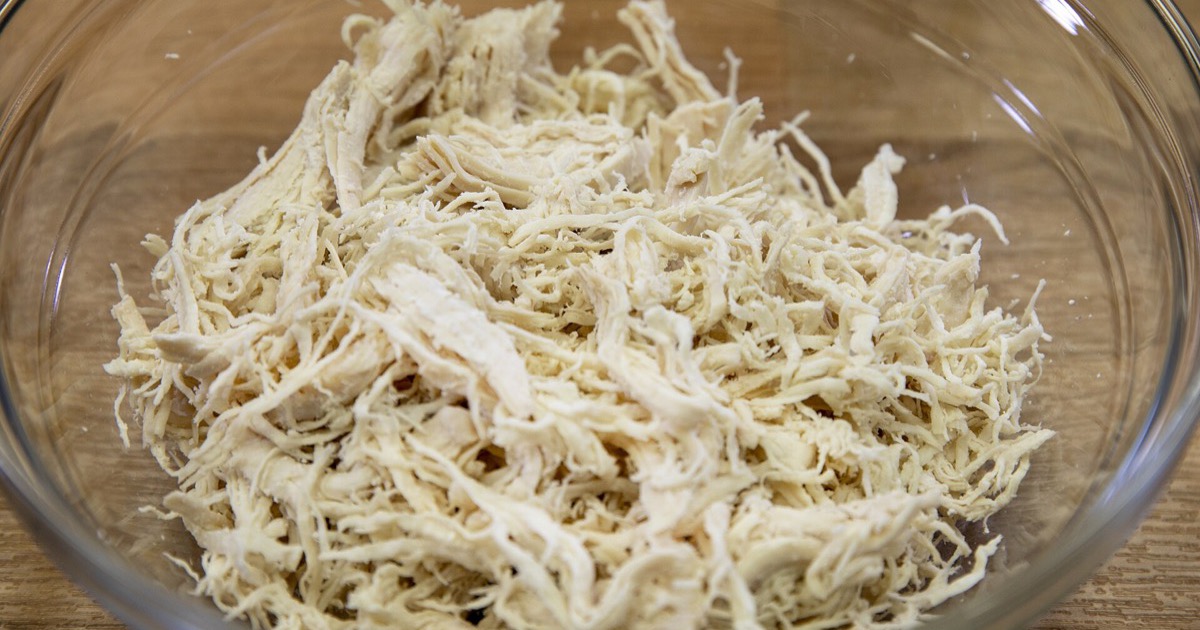
To keep a batch of chicken from tasting like the same meal five times, cook it plain and finish each meal differently. Cook about 2 pounds on Sunday with little more than salt and pepper, slice part of it and shred the rest, refrigerate three portions and freeze two. Then give every meal its own sauce, crunch and temperature: a cold bowl, a crisp quesadilla, a hot soup. The freezer gets you to Friday, because USDA gives cooked chicken only 3 to 4 days in the refrigerator.
Plan the batch around the fridge
USDA's Food Safety and Inspection Service (FSIS) gives cooked chicken 3 to 4 days in the refrigerator and 4 months in the freezer for best quality. So a Sunday batch covers meals through Wednesday. Portions for Thursday and Friday go into the freezer on Sunday and move to the fridge a day ahead.
For size, Oregon State University Extension's slow cooker recipe makes 6 cups from 2 pounds of boneless, skinless chicken and 2 cups of salsa. That's a fair batch for five meals for one person. Double it for two.
Four ways to cook the batch
Oven and stove times are FSIS's approximate ones. The thermometer decides: 165°F at the thickest part, and on a whole bird in the innermost thigh and wing too.
Roast a whole chicken
A 3 to 4 pound broiler-fryer takes about 1 1/4 to 1 1/2 hours at 350°F, unstuffed. You get white and dark meat from one pan.
Poach on the stove
Cover the chicken with water or broth, bring it to a boil, then lower it to a simmer: 25 to 30 minutes for 4-ounce boneless breast halves, 40 to 50 minutes for legs or thighs, 60 to 75 minutes for a whole 3 to 4 pound bird. Save the liquid for soup.
Slow cook
Oregon State's recipe cooks boneless, skinless chicken on high for 4 hours or low for 6 to 8, then shreds it with two forks in the pot. For a plainer batch, its notes offer 1 cup of broth with seasonings in place of the salsa. FSIS says to always thaw poultry first.
Sheet pan
Use separate pans for breasts and thighs, since they finish at different times (see the table below). Split a pan between two seasonings, such as smoked paprika and lemon with oregano, and you start with two flavors.
Breasts or thighs?
The nutrition figures are USDA FoodData Central's for roasted, meat-only chicken, worked out for a 3-ounce (85-gram) serving.
| Boneless breast | Thighs | |
|---|---|---|
| Protein | About 26 grams | About 21 grams |
| Fat | About 3 grams | About 7 grams |
| Roasting at 350°F | 20 to 30 minutes (4 ounces) | 40 to 50 minutes (legs or thighs, 4 to 8 ounces) |
| Simmering | 25 to 30 minutes | 40 to 50 minutes |
Use breasts for meals you eat cold and sliced, like bowls and salads. Use thighs for meals you reheat, since the extra fat helps them stay moist. Oregon State suggests a mix of both. If you follow a diet for a medical condition, ask your doctor or a registered dietitian how much protein is right for you.
Set up the week on Sunday
- Store two shapes. Slices suit bowls and salads. Shreds soak up sauce.
- Portion it now. Harvard's Nutrition Source suggests individual containers for lunches, filled on prep day, and a date and label on what goes in the freezer.
- Keep wet and crisp apart. Dressing goes in a jar, crunchy toppings in their own container.
Eight ideas: what to make ahead, what to add on the day
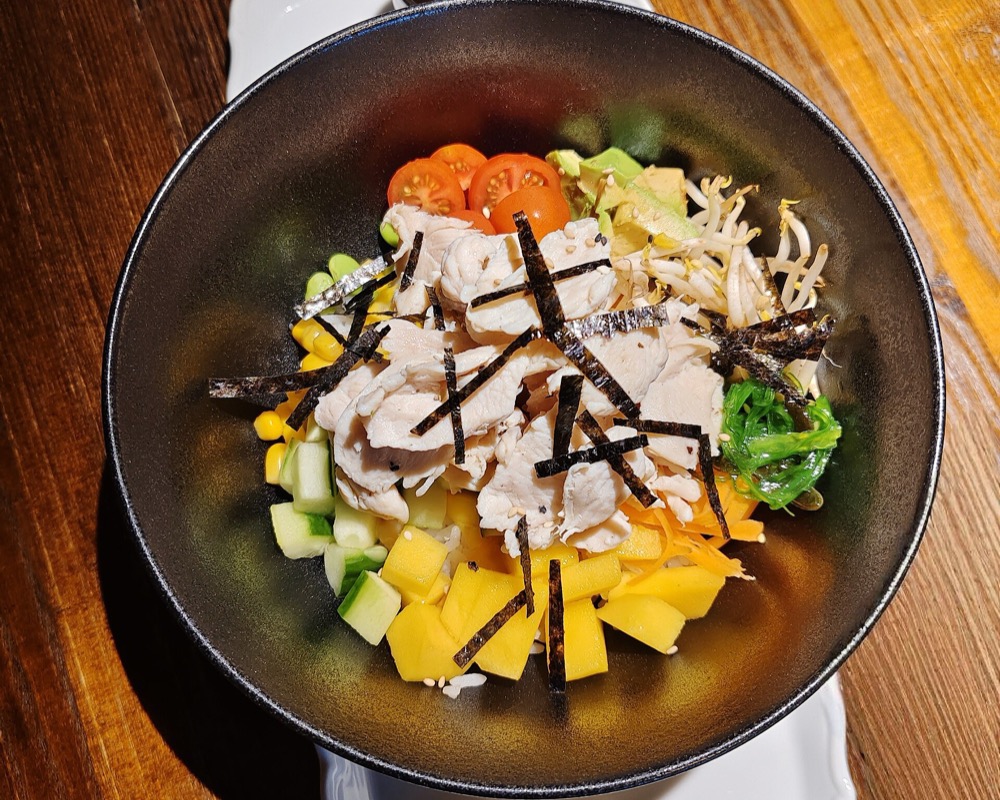
1. Poke-style bowl
Make ahead: Slice chicken over rice with cubed cucumber and mango. Mix soy sauce, sesame oil and rice vinegar in a small jar.
On the day: Dress it and add sliced scallions and strips of nori, which go limp if they sit.
2. Peanut noodle bowl
Make ahead: Toss cooked noodles with a little oil, then add shredded chicken, cabbage and carrots. Whisk peanut butter, soy sauce and lime into a sauce.
On the day: Thin the sauce with warm water, toss, and top with chopped peanuts and cilantro.
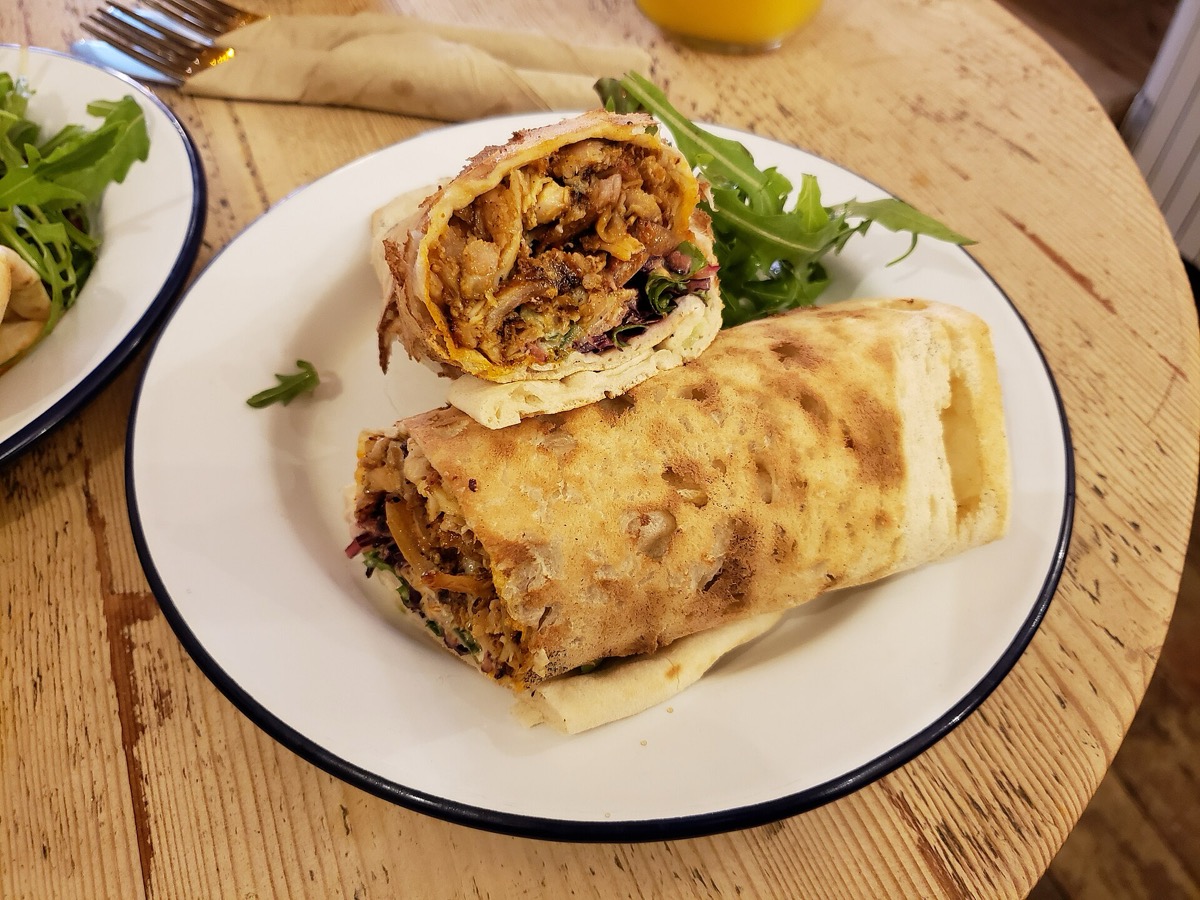
3. Spiced chicken wrap
Make ahead: Stir shreds with yogurt, cumin, paprika and garlic. FoodSafety.gov gives chicken salads 3 to 4 days in the fridge, and they don't freeze well. Shred cabbage and slice pickles.
On the day: Roll it all in a large tortilla just before you leave, so the wrap stays dry.
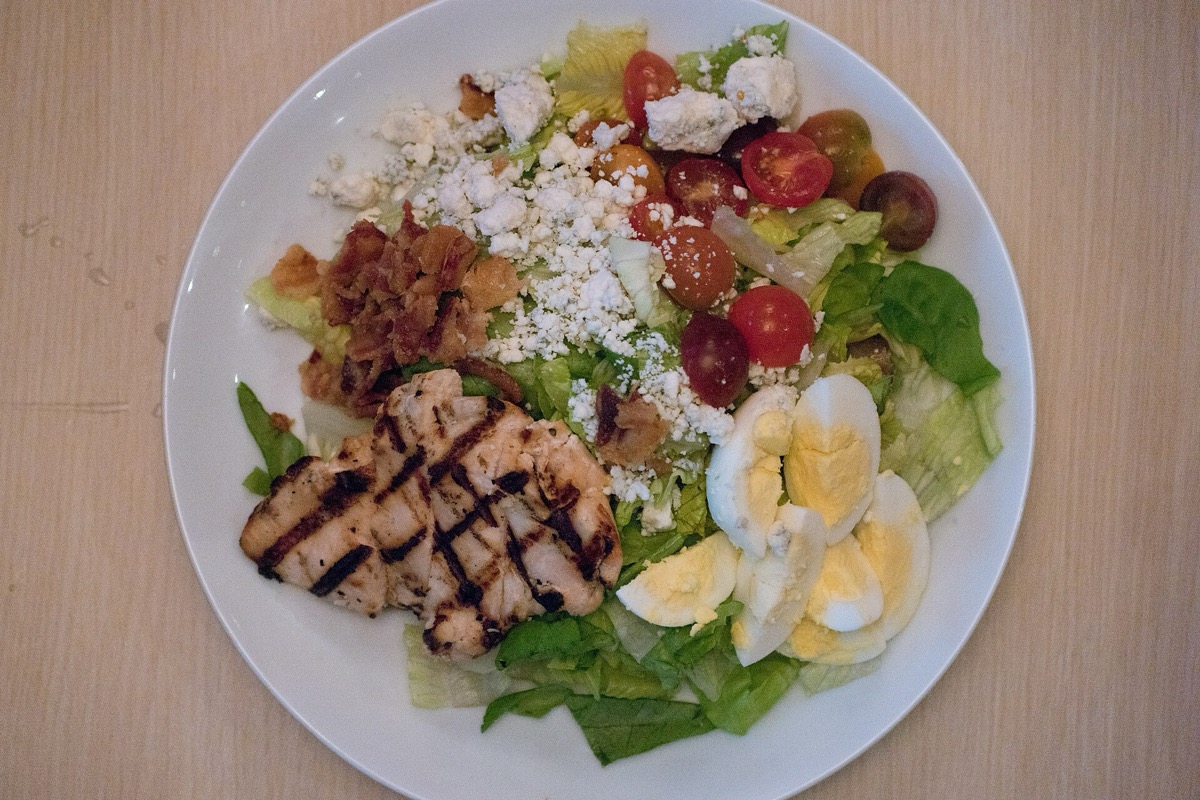
4. Chopped Cobb salad
Make ahead: Slice chicken, hard-boil eggs (they keep a week in the fridge) and shake a vinaigrette in a jar.
On the day: Chop romaine, tomato and avocado, add crumbled cheese, and dress it last.
5. Crisp quesadillas
Make ahead: Stir shreds with salsa verde and black beans.
On the day: Fill tortillas with the mix and cheese, and crisp them in a skillet until the filling reaches 165°F.
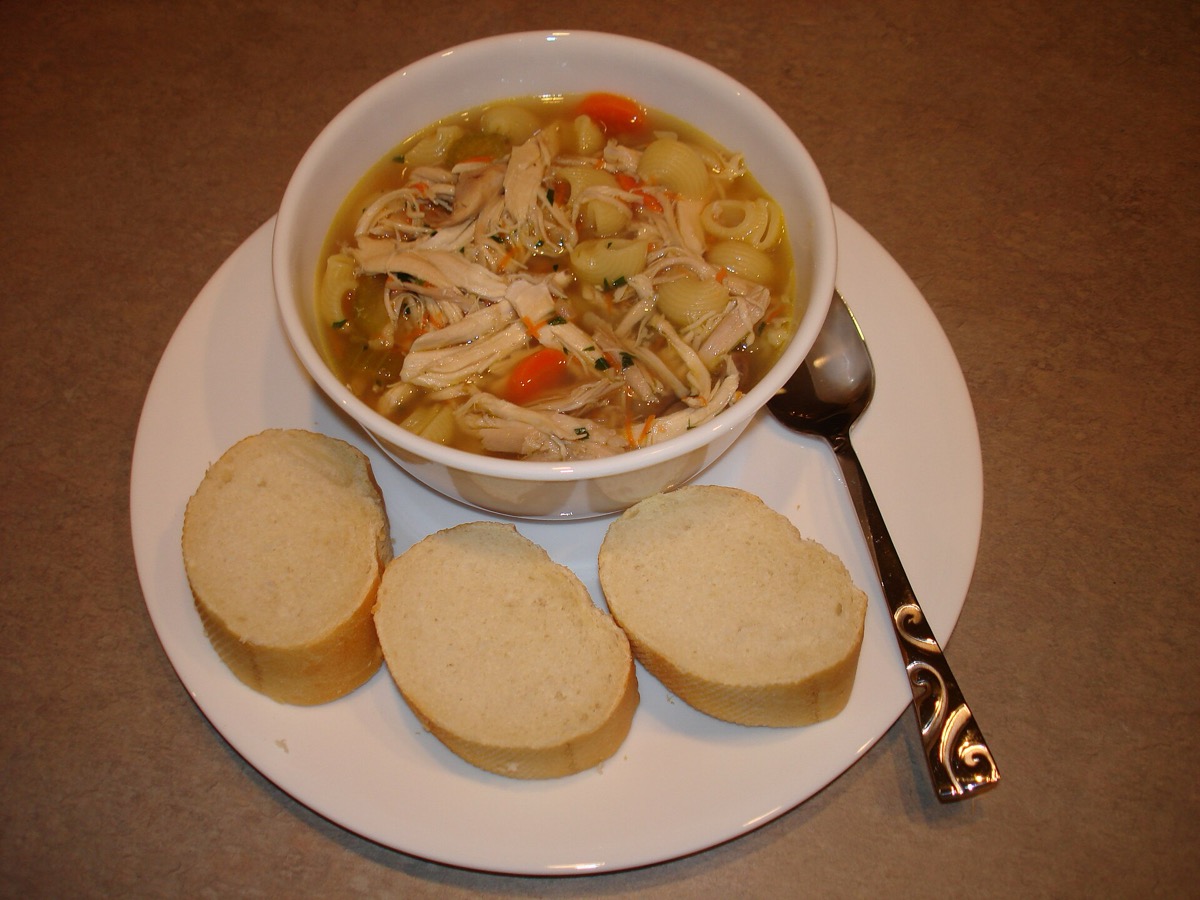
6. Chicken noodle soup
Make ahead: Simmer broth or the poaching liquid with carrot, celery and onion. Chill it in shallow containers, or freeze it.
On the day: Bring it to a rolling boil, then add chicken and noodles and cook until the noodles are tender. For a hot lunch, FSIS suggests filling an insulated container with boiling water, emptying it after a few minutes, and adding the piping hot soup.
7. Green chile enchilada bake
Make ahead: Layer shreds, corn tortillas, green chile sauce and cheese in a baking pan, then wrap and freeze it. FSIS gives cooked chicken casseroles 4 to 6 months for best quality.
On the day: Move it to the fridge a day ahead, then bake until the center reaches 165°F.
8. Plain freezer portions
Make ahead: Pack shreds in small containers or freezer bags and label them with the date and amount, as Iowa State University Extension suggests. Add broth to cover: FSIS gives chicken covered with broth or gravy 6 months, against 4 for plain leftovers.
On the day: Use it in any idea above. Once thawed in the fridge, use it within 3 to 4 days.
One batch, one week
| Day | Meal | Chicken from | Add on the day |
|---|---|---|---|
| Monday | Lunch: poke-style bowl | Fridge, slices | Dressing, nori |
| Tuesday | Dinner: quesadillas | Fridge, shreds | Cheese, tortillas |
| Wednesday | Lunch: Cobb salad | Fridge, slices | Romaine, avocado, dressing |
| Thursday | Dinner: noodle soup | Freezer, moved to the fridge Wednesday | Noodles |
| Friday | Dinner: enchilada bake | Freezer, moved to the fridge Thursday | Just bake it |
Keep it safe
These are the rules from FSIS and FoodSafety.gov:
- Cook all chicken to 165°F. Color isn't a sign of safety, and safely cooked chicken can stay pink.
- Finish the cooking in one go. Never brown or partly cook chicken to refrigerate and finish later.
- Refrigerate within 2 hours of cooking (1 hour above 90°F), in shallow containers. Hot food can go straight into the fridge.
- Reheat to 165°F, covered, and bring soups and sauces to a rolling boil. A slow cooker isn't recommended for reheating.
- Pack lunches with two cold sources: two frozen gel packs, or one with a frozen juice box or water bottle. Use a work fridge if there is one.
- Don't rinse raw chicken. It spreads bacteria. Cook or freeze fresh chicken within 1 to 2 days.
Frequently asked questions
How long does meal prep chicken last in the fridge?
Three to 4 days, according to FSIS. A Sunday batch lasts through Wednesday or Thursday, so freeze anything meant for later on Sunday.
How long can you freeze cooked chicken?
FSIS says 4 months for best quality, or 6 months if it's covered with broth or gravy. Frozen food stays safe indefinitely at 0°F, but it can lose moisture and flavor.
Can you eat meal prep chicken cold?
FSIS says fully cooked rotisserie chicken can be eaten within 3 to 4 days, either cold or reheated to 165°F, and its chart gives cooked chicken leftovers the same 3 to 4 days. Keep it at 40°F or below until you eat it.
How do you keep meal prep chicken from drying out?
Take it off the heat once it reaches 165°F. FSIS says airtight storage and a cover during reheating both retain moisture, and it suggests adding some liquid in the microwave if needed.
Start Meal Prep
Weekly meal ideas for your household, so you never decide what to buy on the spot.
Psst is invite-only. Sign up with code MEALPREP
Scan with your iPhone / Download Psst
Psst is invite-only. Sign up with code MEALPREP
Sources
- Chicken from Farm to Table (USDA Food Safety and Inspection Service)
- Leftovers and Food Safety (USDA Food Safety and Inspection Service)
- Slow Cookers and Food Safety (USDA Food Safety and Inspection Service)
- Keeping "Bag" Lunches Safe (USDA Food Safety and Inspection Service)
- Cook to a Safe Minimum Internal Temperature (FoodSafety.gov)
- Cold Food Storage Chart (FoodSafety.gov)
- Chicken, broilers or fryers, breast, meat only, cooked, roasted (USDA FoodData Central)
- Chicken, broilers or fryers, thigh, meat only, cooked, roasted (USDA FoodData Central)
- Meal Prep Guide (The Nutrition Source, Harvard T.H. Chan School of Public Health)
- Chicken Broth and Cooked Chicken (Spend Smart Eat Smart, Iowa State University Extension and Outreach)
- Salsa Chicken (Oregon State University Extension Service)