How to eat healthy on a budget
Plan meals before you shop, build them on beans, oats, eggs and frozen produce, compare unit prices, buy store brands, cook in batches and waste less.
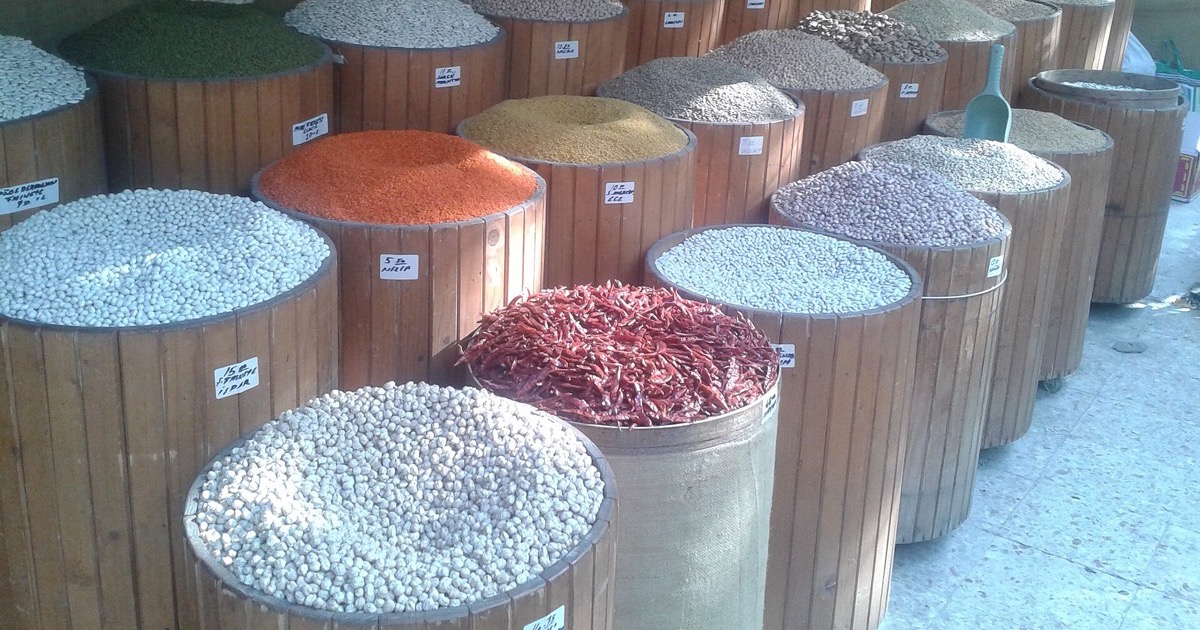
To eat healthy on a budget, plan your meals before you shop and build them around cheap, nutritious staples: dried and canned beans, lentils, oats, brown rice, eggs, peanut butter, canned fish, and frozen or canned vegetables and fruit. Then compare unit prices, choose store brands, shop the sales, cook in batches and eat what you buy before it spoils.
What a healthy diet costs
Every month, USDA prices four food plans that show how to eat well at different costs, each assuming every meal and snack is made at home. The cheapest, the Thrifty Food Plan, came to $236.30 a week, or $1,024.00 a month, for a family of four in September 2026: two adults aged 20 to 50 and two children aged 6 to 8 and 9 to 11. For one person in a four-person household, it was $58.60 a week for a woman aged 20 to 50 and $73.60 for a man. USDA suggests adding 20% for someone who lives alone and 10% for a household of two.
Produce needn't be the expensive part. In an analysis published in September 2024, using 2022 prices, USDA's Economic Research Service found that someone eating 2,000 calories a day could meet the fruit and vegetable amounts in the 2020 to 2025 Dietary Guidelines for about $2.50 to $3.00 a day.
1. Plan before you shop
Start in your own kitchen. Mayo Clinic Health System suggests checking the pantry, fridge and freezer first, since duplicates waste money and food. Then plan a few meals for the week and write your list from their ingredients, as Harvard T.H. Chan School of Public Health's Nutrition Source advises. Plan the leftovers too: extra taco chicken can become tomorrow's taco salad.
The CDC says a list helps you avoid impulse buys and extra trips. Eat a snack before you go, and leave room for produce, poultry or fish that's on sale.
2. Build meals on cheap staples
Harvard lists foods that are economical all year and give you protein, fiber, vitamins and minerals, including:
- Protein: beans, peas and lentils; canned tuna, salmon and sardines; peanut butter; eggs; tofu
- Produce: cabbage, collards, broccoli, carrots, apples, bananas, frozen unsweetened fruit, and frozen or canned vegetables without added salt
- Whole grains: rolled oats, brown rice, barley, bulgur and whole grain pasta
Beans and lentils are the standout. USDA's Economic Research Service prices produce per edible cup, after peels and cooking losses. In its estimates from 2023 store prices, the four cheapest of 93 vegetable products were dried pinto, black, navy and great northern beans, and dried pinto and black beans cost about a third as much per cup as canned. A cup of cooked lentils has about 18 grams of protein and 16 grams of fiber, by USDA FoodData Central's figures.
Harvard also suggests some meatless meals, since plant proteins are generally cheaper than meat and fish. When you do cook meat, a little can flavor a dish that beans fill out.
The same 2023 data put watermelon and bananas as the two cheapest fruits per cup, and potatoes, carrots, green cabbage and onions among the cheapest vegetables. For canned fish, the FDA lists canned light tuna, salmon and sardines among its "Best Choices", which are lower in mercury, and advises 2 to 3 servings a week from that list for anyone pregnant or breastfeeding.
3. Use frozen and canned produce
The Dietary Guidelines for Americans, 2025 to 2030, say frozen, dried or canned vegetables and fruits with no or very limited added sugars can be good options. The NHS counts frozen and canned produce toward its 5 A Day, if canned ones come in juice or water with no added sugar or salt. USDA says freezing itself doesn't destroy nutrients.
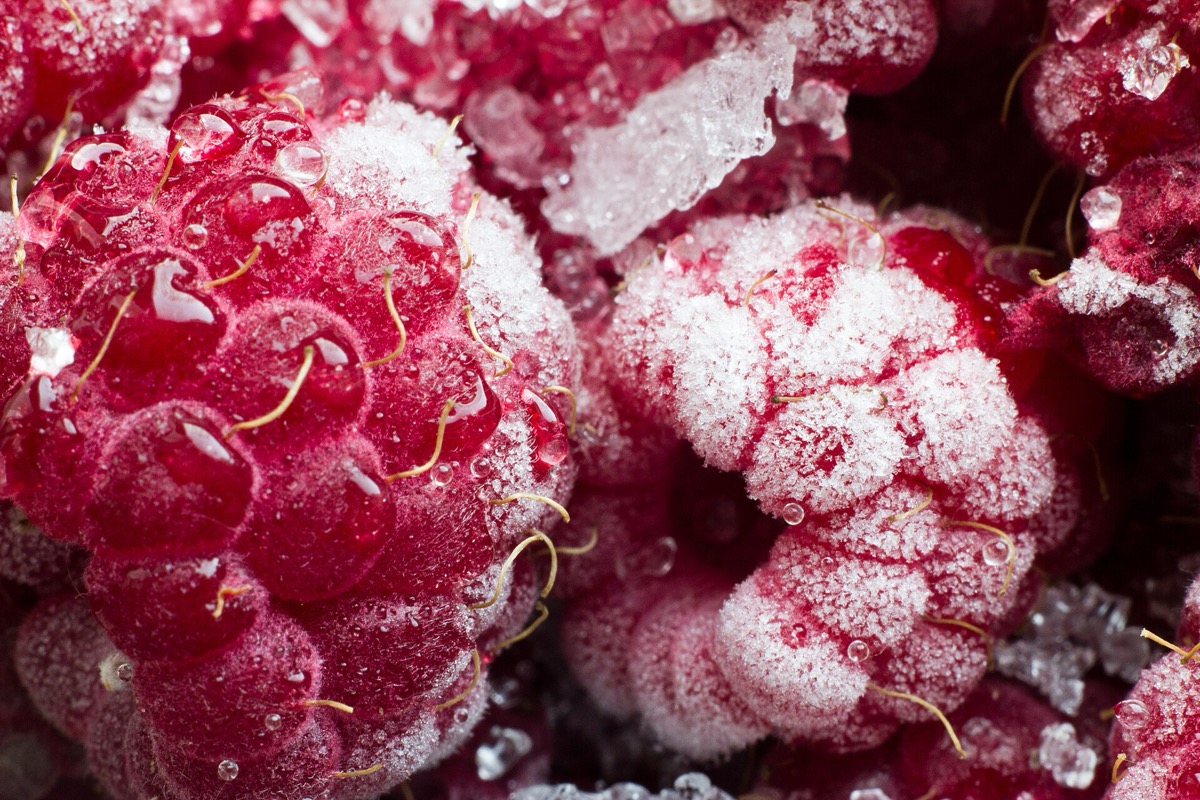
They aren't always cheaper. USDA's 2024 analysis found neither fresh nor processed produce consistently less expensive: spinach cost less frozen or canned than fresh, carrots less fresh. In the 2023 data, frozen blueberries, raspberries and blackberries cost less per cup than fresh, but frozen strawberries didn't.
Read the label. The CDC suggests fruit canned in water rather than syrup, checking for added sugar and salt, and skipping frozen foods in butter or cream sauces. If you've been told to limit sodium or sugar, ask your doctor or a registered dietitian what to look for.
4. Compare unit prices and choose store brands
A bigger package usually costs less per ounce, but not always. Divide each price by the amount in the package and compare. Harvard notes that family-size packages of shelf-stable staples such as whole grains, lentils and dried beans usually cost less per unit. Buy perishables only in amounts you'll use within a week, unless you'll freeze them.
Then try the store brand. The CDC's budget tips, dated May 2024, say store brands can save you 20% to 30% on your food bill, and note that canned tomatoes, milk, olive oil and frozen produce usually come in a cheaper store brand. The National Institute on Aging says store brands are often the same as pricier name brands.
5. Shop the sales and the seasons
The National Institute on Aging suggests checking store ads online, planning meals around what's on sale, and buying extra canned goods when they're discounted. Ask about loyalty programs or a senior discount. Mayo Clinic Health System recommends buying produce in season, notes that farmers markets and local stands often have the best prices, and suggests buying meat in a larger pack and freezing portions.
Canned food keeps, which makes stocking up during a sale practical. USDA says high-acid canned foods such as tomatoes and fruit keep their best quality for 12 to 18 months, and low-acid ones such as vegetables for two to five years. Throw away cans that are dented, rusted or swollen.
6. Cook once, eat twice
The Dietary Guidelines recommend home-prepared meals, and batch cooking makes them easier on busy days. The CDC suggests big batches of soup or casseroles that stretch over the week, and cooking a whole chicken for several meals. Harvard's three-bean chili comes almost entirely from canned beans and tomatoes.
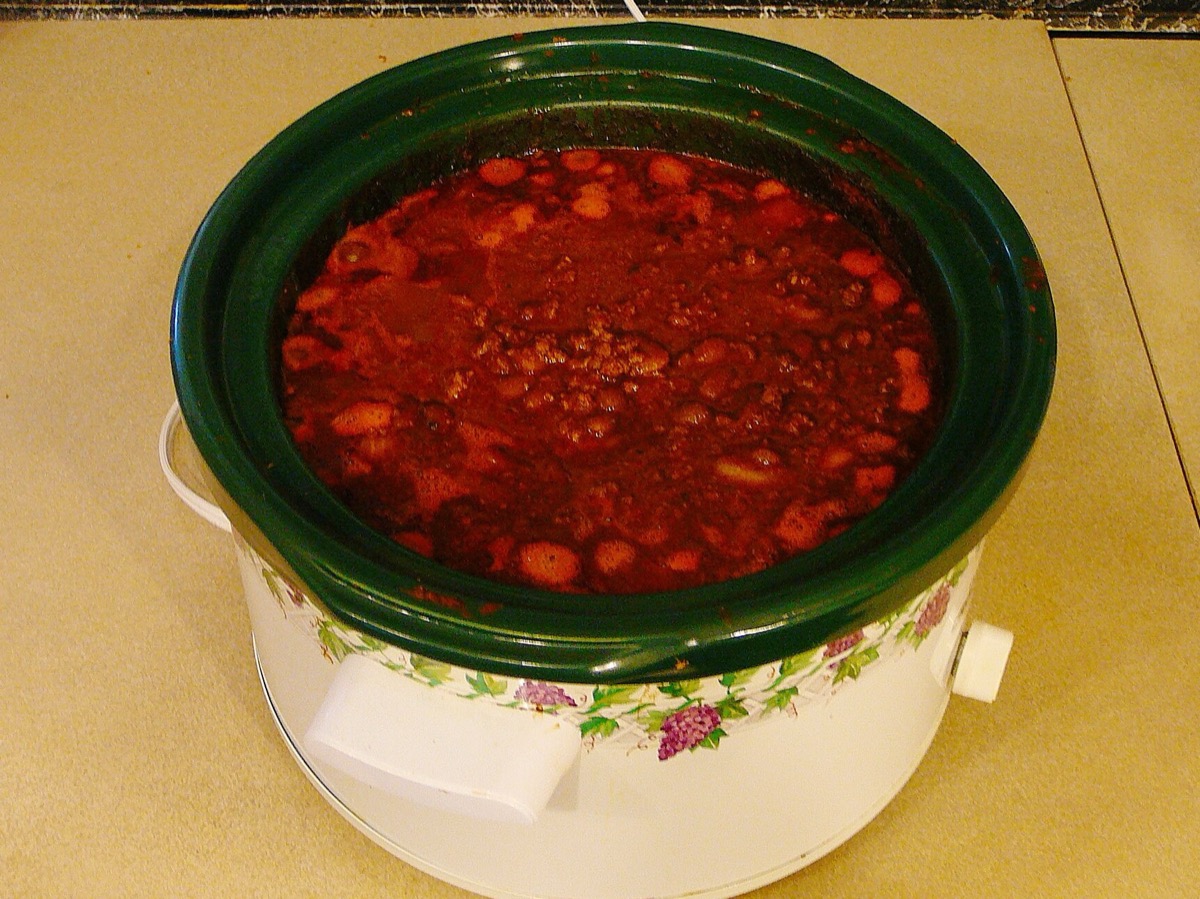
Divide a big pot into shallow containers so it cools fast, and refrigerate it within 2 hours. Food kept at 0°F stays safe indefinitely, but USDA says soups, stews, casseroles and cooked meat taste best within 2 to 3 months, so date each container.
7. Waste less of what you buy
USDA estimates that 30% of the food supply is lost or wasted at the retail and consumer levels, partly from good food thrown out over its date. Except on infant formula, package dates are about quality, not safety: "Best if Used By" means when a food tastes best. Food handled properly should still be safe past its date until it shows spoilage, such as an off smell, flavor or texture.
- Take inventory twice a month. Harvard suggests moving buried items to the front and planning meals around them.
- Freeze before it turns. Freeze chopped herbs in olive oil in an ice cube tray, and keep ginger in the freezer to grate.
- Eat leftovers in time. USDA gives them 3 to 4 days in the fridge, or 3 to 4 months in the freezer for best quality. Reheat to 165°F.
Frequently asked questions
What are the cheapest healthy foods?
Dried beans. In USDA's 2023 price data, they were the cheapest vegetables per cup, and watermelon and bananas the cheapest fruits. Oats, brown rice, eggs, peanut butter and canned fish are also on Harvard's list of economical staples.
Are frozen vegetables as healthy as fresh?
They can be. The Dietary Guidelines call frozen and canned produce with little or no added sugar good options, and USDA says freezing doesn't destroy nutrients. Pick plain ones without sauces or added salt.
Is it cheaper to cook dried beans than to buy canned?
Usually. In USDA's 2023 data, dried pinto and black beans cost about a third as much per cup as canned. Canned beans save soaking and cooking time, so keep some of each.
How much should I spend on groceries to eat healthy?
USDA's Thrifty Food Plan put a healthy diet made at home at $236.30 a week for a family of four in September 2026, and $58.60 to $73.60 a week for an adult aged 20 to 50 in a four-person household.
Start Eat Well
Pick a goal, work on one eating habit at a time, and log meals with a photo or a few words.
Psst is invite-only. Sign up with code EATWELL
Scan with your iPhone / Download Psst
Psst is invite-only. Sign up with code EATWELL
Sources
- USDA Food Plans: Monthly Cost of Food Reports (USDA Food and Nutrition Administration)
- Fruit and Vegetable Prices (USDA Economic Research Service)
- Satisfying Fruit and Vegetable Recommendations Possible for Under $3 a Day, Data Analysis Shows (USDA Economic Research Service, September 2024)
- Dietary Guidelines for Americans, 2025 to 2030
- Strategies for Eating Well on a Budget (Harvard T.H. Chan School of Public Health, The Nutrition Source)
- 6 Tips for Eating Healthy on a Budget (Centers for Disease Control and Prevention)
- Overcoming Roadblocks to Healthy Eating (National Institute on Aging)
- Eating healthy on a budget (Mayo Clinic Health System)
- 5 A Day: what counts? (NHS)
- Food Product Dating (USDA Food Safety and Inspection Service)
- Freezing and Food Safety (USDA Food Safety and Inspection Service)
- Leftovers and Food Safety (USDA Food Safety and Inspection Service)
- Advice about Eating Fish (U.S. Food and Drug Administration)
- Lentils, mature seeds, cooked, boiled, without salt (USDA FoodData Central)