How to eat healthy at Thanksgiving and still enjoy the meal
Don't arrive starving, fill half your plate with vegetables, pick the dishes you love, slow down, take a walk, and keep the leftovers safe.
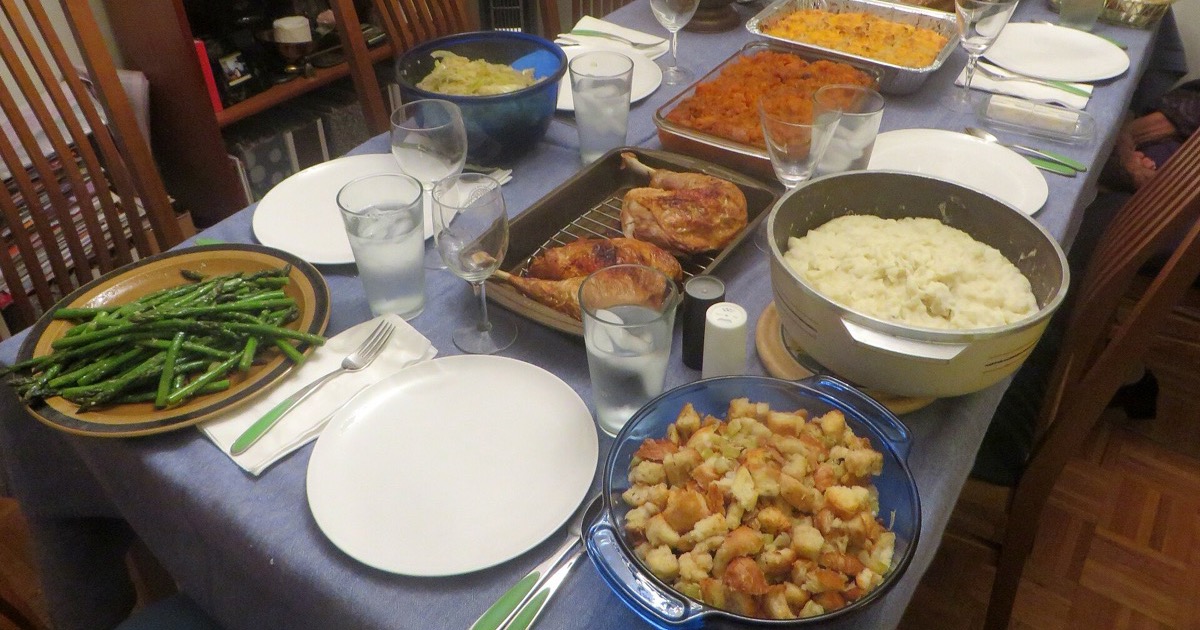
To eat healthy at Thanksgiving, you don't have to skip the food you look forward to all year. Eat normally earlier in the day so you don't arrive starving, fill half your plate with vegetables, take the dishes you love most and pass on the ones you don't, eat slowly, drink mostly water, go for a walk after the meal, and put the leftovers away within two hours. Thanksgiving falls on Thursday, November 26, this year. It's one meal, and the habits around it matter more than any single plate.
1. Eat normally during the day
Saving yourself for dinner usually backfires. Harvard T.H. Chan School of Public Health's guide to mindful eating puts it plainly: going too long without eating raises the risk of strong hunger, which can lead to the quickest and easiest food choice, not always a healthful one. Skipping breakfast to "make room" tends to mean arriving ravenous and eating fast.
Have your usual breakfast, and if dinner is late in the day, eat a small snack an hour or two before. Something with fiber and a little protein holds you best: an apple with peanut butter, a handful of nuts, or yogurt with fruit. Harvard notes that fiber helps keep hunger and blood sugar in check, and that whole fruits and vegetables, whole grains, beans and nuts are good sources.
2. Fill half your plate with vegetables
The simplest rule for any big meal is the plate itself. Harvard's Healthy Eating Plate makes vegetables and fruits half of it, with the other half split between protein and grains. Thanksgiving makes this easier than most days: green beans, roasted Brussels sprouts, squash, carrots, a green salad and cranberries are all on the table.
Serve the vegetables first, while the plate is empty. Then add turkey and the starchy sides you like best. On Harvard's plate, potatoes don't count toward the vegetable half, so the mashed potatoes belong with the stuffing and rolls.
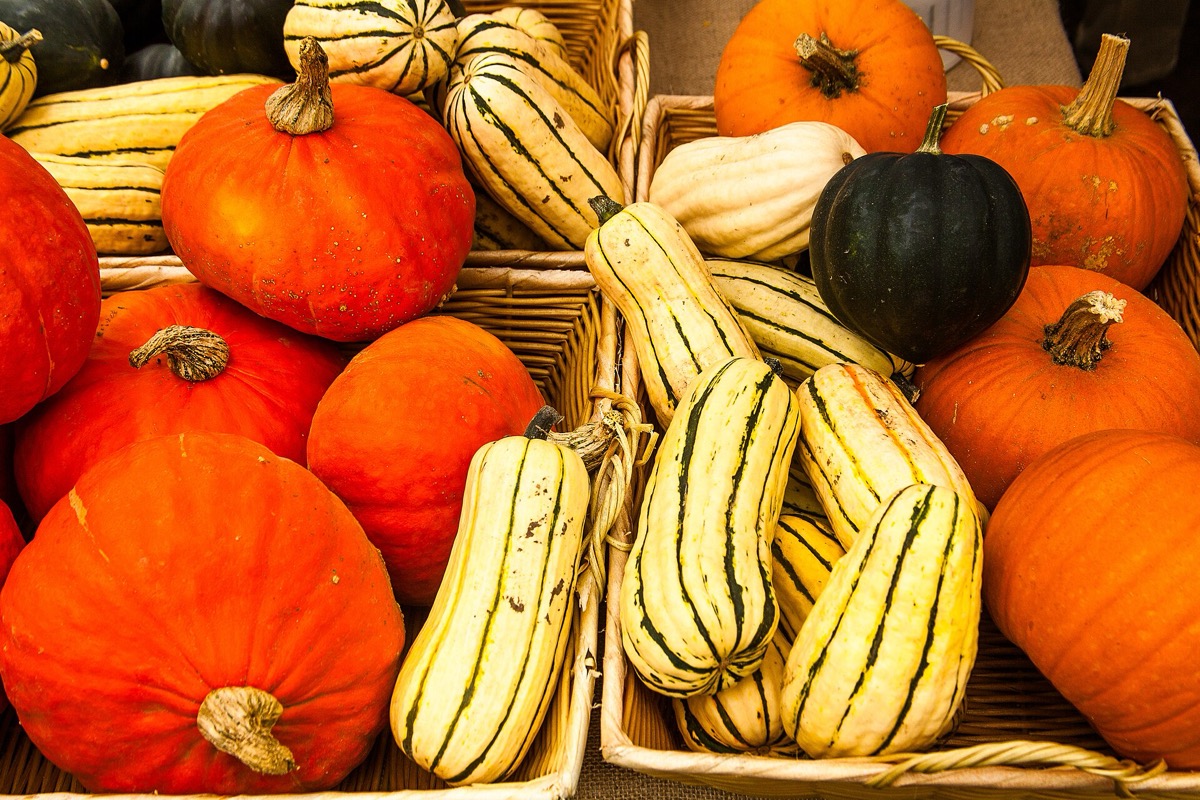
If you're a guest, offer to bring a vegetable dish. A tray of roasted squash or a big salad means there's always something fresh to build your plate around, and the host has one less thing to cook.
3. Choose the dishes you love most
Walk the length of the table before you pick up a plate. Then take the dishes you'd miss if they weren't there, and pass on the ones you eat only because they're in front of you. If your aunt's stuffing is the best part of the year, have it and enjoy it. If store-bought rolls do nothing for you, leave them.
Harvard's mindful eating guide suggests serving modest portions on a dinner plate no larger than 9 inches across and filling it only once. You can always go back if you're still hungry, and starting small leaves room for the dessert you actually want.
The same goes for pie. Pick the one you like best and have a slice you'll savor, rather than a sliver of each because they're there.
4. Make turkey your protein
The current Dietary Guidelines for Americans, for 2025 to 2030, say every meal should prioritize good protein from animal and plant sources. At Thanksgiving that's usually easy, because the turkey is the centerpiece. Harvard's Nutrition Source lists poultry among its healthy protein choices, along with fish, beans and nuts.
If you don't eat meat, a dish of beans, lentils or chickpeas does the same job. Harvard notes that about one serving of beans, chickpeas, lentils or peas a day can help you feel full.
5. Slow down
A holiday meal tends to go fast: everyone's talking, dishes keep coming round, and plates empty before anyone notices. Harvard's guide says that if you eat slowly, you're more likely to recognize when you're satisfied and can stop. It suggests small bites, chewing well and actually tasting the food.
A few habits help:
- Put your fork down between bites and join the conversation.
- Eat at the table, not in front of the game. The National Institute of Diabetes and Digestive and Kidney Diseases suggests turning off the TV and other screens so you don't eat or drink more than you mean to without noticing.
- Wait before seconds. Give it a little while, then decide if you're still hungry.
6. Think about your drinks
Drinks add up quietly over a long afternoon. The Dietary Guidelines for Americans recommend water or unsweetened drinks with meals, and Harvard's Healthy Eating Plate says to choose water, coffee or tea and skip sugary drinks.
If you drink alcohol, the CDC says drinking less is better for your health than drinking more. A glass of water between drinks slows the pace without anyone noticing. The CDC also notes that some people shouldn't drink at all, including anyone pregnant or under 21 and people taking medicines that interact with alcohol.
7. Take a walk after the meal
A short walk after dinner is one of the easiest healthy traditions to start, and a long meal is a long stretch of sitting. A 2022 review in the journal Sports Medicine pooled seven trials and found that breaking up long stretches of sitting with short, light walks lowered blood sugar and insulin after eating, compared with staying seated. The National Institute of Diabetes and Digestive and Kidney Diseases says some physical activity is better than none, and suggests walking with family or friends.

It doesn't need to be long or brisk. A loop around the block before pie, or a walk to the park with whoever wants to come, is enough. If you live with diabetes or another health condition, ask your doctor or dietitian how best to plan for the day.
8. Handle the leftovers well
Leftovers can turn Thanksgiving into a few easy, healthy meals, as long as they're stored safely. The CDC's holiday turkey guidance gives the rules:
- Refrigerate within 2 hours of cooking, at 40°F or colder. You don't need to wait for food to cool before putting it in the fridge.
- Cut the turkey into smaller pieces so it cools quickly, rather than putting the whole bird away.
- Eat it within 3 to 4 days. For a Thursday dinner, that means by Sunday or Monday.
- Freeze what you won't finish in time, to keep it longer.
- Reheat leftovers to at least 165°F before eating.
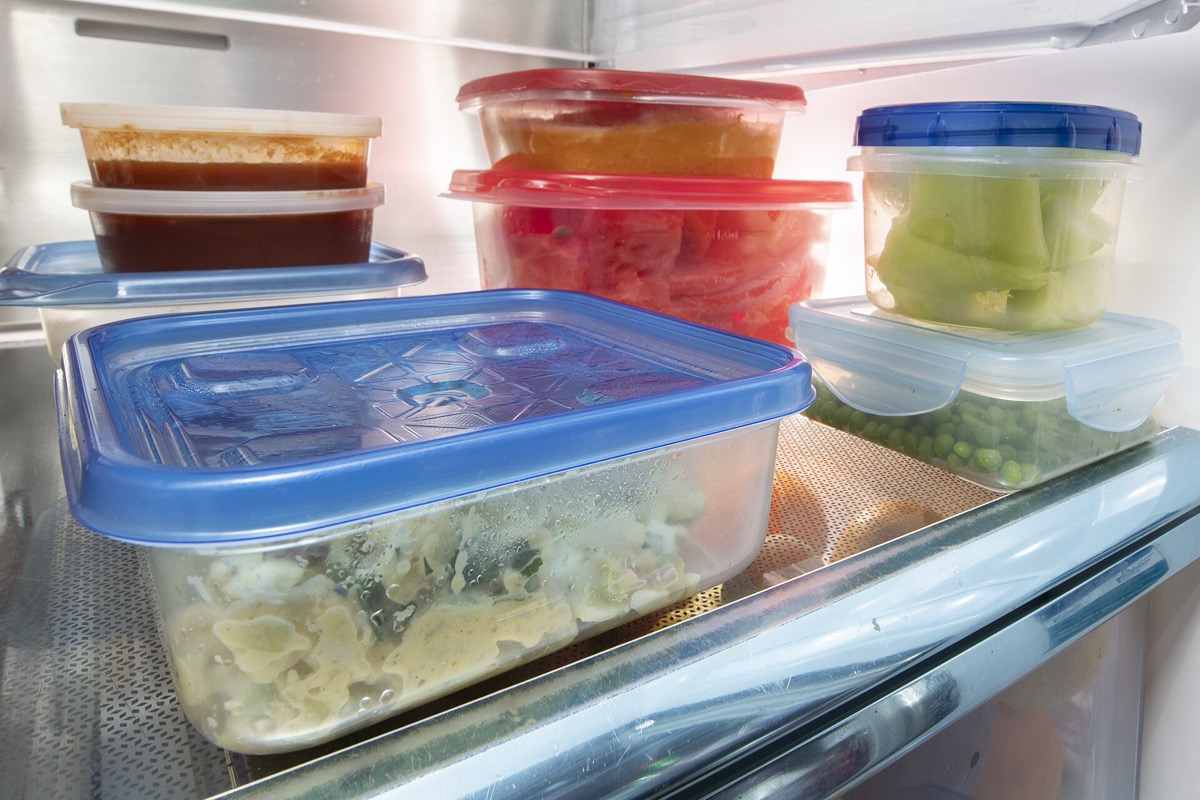
For the days after, turkey makes a good base for lighter meals: a soup with the leftover vegetables, a big salad, or a sandwich on whole-grain bread. Then go back to your normal meals. There's nothing to make up for.
Frequently asked questions
Can you eat healthy at Thanksgiving and still have pie?
Yes. Fill half your plate with vegetables, choose the sides you love, and save room for one slice of the pie you like most. One dessert on one day doesn't undo how you eat the rest of the year.
What are the healthiest foods on a Thanksgiving table?
The vegetable dishes and the turkey. Green beans, Brussels sprouts, squash, carrots and salad can fill half your plate, and Harvard counts poultry among its healthy proteins. Go easier on sugary drinks.
Should you skip breakfast to save room for Thanksgiving dinner?
No. Harvard's guide to mindful eating says going too long without food leads to strong hunger and quick, less healthy choices. Eat a normal breakfast and a small snack if dinner is late.
How long are Thanksgiving leftovers good for?
The CDC says to eat cooked turkey and dishes made with it within 3 to 4 days, kept in the fridge at 40°F or colder. For Thanksgiving on Thursday, November 26, that's Sunday, November 29, or Monday, November 30. Freeze anything you won't eat by then.
Start Eat Well
Pick a goal, work on one eating habit at a time, and log meals with a photo or a few words.
Psst is invite-only. Sign up with code EATWELL
Scan with your iPhone / Download Psst
Psst is invite-only. Sign up with code EATWELL
Sources
- Healthy Eating Plate
- Mindful Eating
- Fiber
- Protein
- Eat Real Food: Dietary Guidelines for Americans, 2025 to 2030
- Health Tips for Adults
- About Moderate Alcohol Use
- Preparing Your Holiday Turkey Safely
- The Acute Effects of Interrupting Prolonged Sitting Time in Adults with Standing and Light-Intensity Walking on Biomarkers of Cardiometabolic Health in Adults: A Systematic Review and Meta-analysis