High-protein breakfasts without eggs
Eleven egg-free breakfasts, from Greek yogurt and cottage cheese to tofu scramble and smoked salmon, most with 17 to 28 grams of protein a serving.
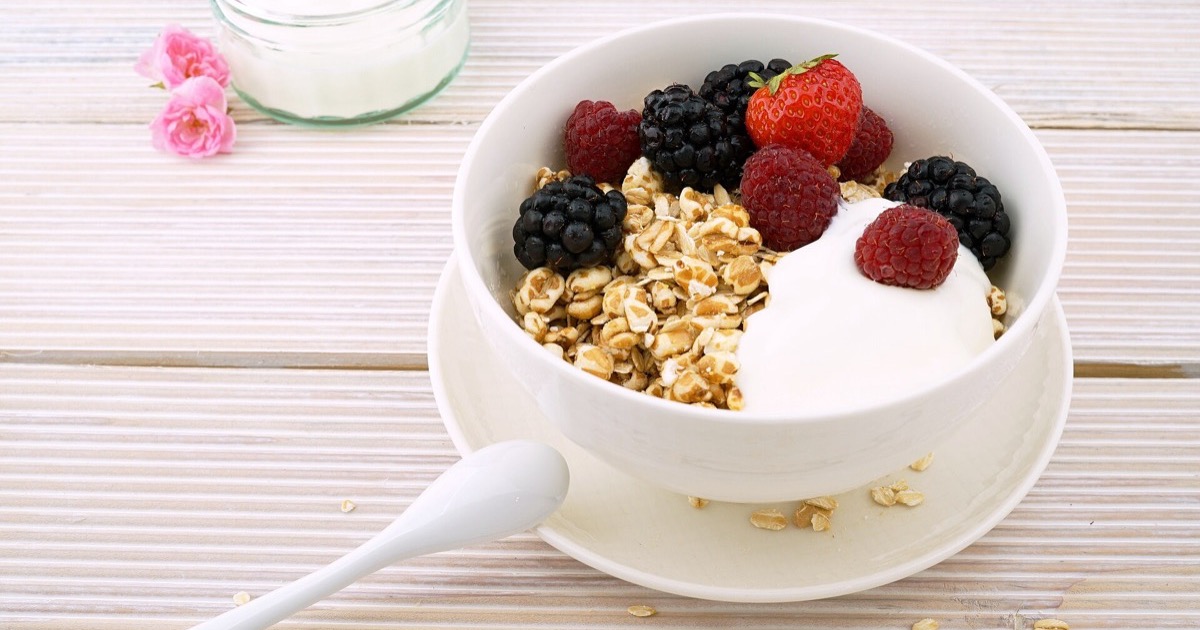
The easiest high-protein breakfasts without eggs are built on Greek yogurt, cottage cheese, tofu, tempeh, smoked salmon or beans, or on oats soaked in milk with seeds or nut butter stirred in. By the figures in USDA FoodData Central, most of the eleven below give about 17 to 28 grams of protein a serving, and several are vegan.
Why protein at breakfast is worth the effort
Breakfast is often light on protein. A 2014 study in The Journal of Nutrition notes that intake tends to be skewed toward the evening meal, while breakfast is typically rich in carbohydrates and low in protein. In that small study, eight healthy adults ate the same calories and protein for a week in two patterns: spread evenly, about 30 grams at each meal, or skewed, about 11 grams at breakfast and 63 at dinner. Muscle protein synthesis over 24 hours was 25% higher with the even pattern.
Protein can also help you stay full. A 2015 review in The American Journal of Clinical Nutrition found a modest effect: people felt fuller and had more satiety hormones after higher-protein meals, though the trials didn't show them eating less at the next meal. The authors suggested that diets with at least about 25 to 30 grams of protein per meal may help with appetite and weight management.
Breakfast protein isn't magic, though. A 2026 review of seven trials in adults 60 and older found that adding protein in the morning may not improve muscle mass or strength, and the authors called the evidence very uncertain. The practical case is simpler: breakfast is the easiest place to add protein, and it spreads your intake across the day.
How much to aim for
The National Academy of Medicine recommends a minimum of 0.8 grams of protein per kilogram of body weight a day, which Harvard T.H. Chan School of Public Health puts at about 50 grams for a 140-pound person. The Dietary Guidelines for Americans, 2025 to 2030, set a higher target of 1.2 to 1.6 grams per kilogram and say every meal should prioritize protein. For someone who weighs 150 pounds (68 kilograms), that comes to about 82 to 109 grams a day.
Needs vary with age, activity and health, so if you have a food allergy or follow a special diet, check with a doctor or registered dietitian about what's right for you.
11 high-protein breakfasts without eggs
1. Greek yogurt bowl
A 7-ounce container of plain low-fat Greek yogurt (200 grams) has about 20 grams of protein. Top it with berries and an ounce of almonds, about 23 nuts, for another 6 grams, about 26 in all. Buy it plain and add your own fruit: in the USDA's data, plain nonfat Greek yogurt has about 10 grams of protein per 100 grams, and the strawberry version about 8.
2. Cottage cheese, sweet or savory
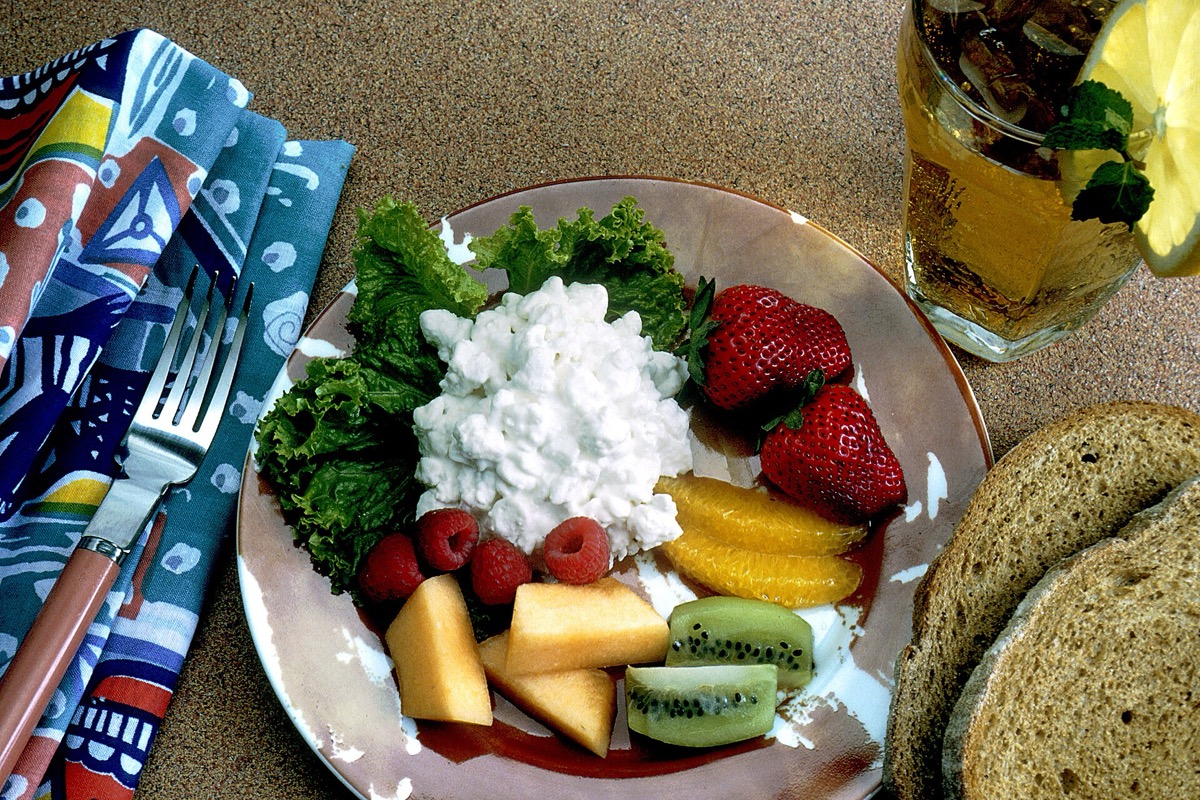
A cup of 2% cottage cheese (226 grams) has about 24 grams of protein, and half a cup about 12. Eat it with fruit and a slice of toast, or go savory with sliced tomatoes, cucumber and black pepper.
3. Overnight oats with milk and chia
Oats alone are modest: half a cup of dry rolled oats has about 5 grams. Soak them overnight in a cup of 2% milk (about 8 grams) with an ounce of chia seeds (about 5 grams) and the jar reaches about 18. Made with unsweetened soy milk, it's about 17 and vegan. Stir in 2 tablespoons of peanut butter in the morning to add about 7 more.
4. A protein smoothie
Blend a cup of 2% milk with a 7-ounce container of plain low-fat Greek yogurt and some frozen fruit for about 28 grams. For a vegan version, blend a cup of unsweetened soy milk, 3 tablespoons of hulled hemp seeds and 2 tablespoons of peanut butter, for about 24.
The milk matters: a cup of unsweetened soy milk has about 7 grams of protein and 2% dairy milk about 8, but unsweetened almond milk has about 1, and unsweetened oat milk less than 1 gram per 100 grams.
5. Tofu scramble
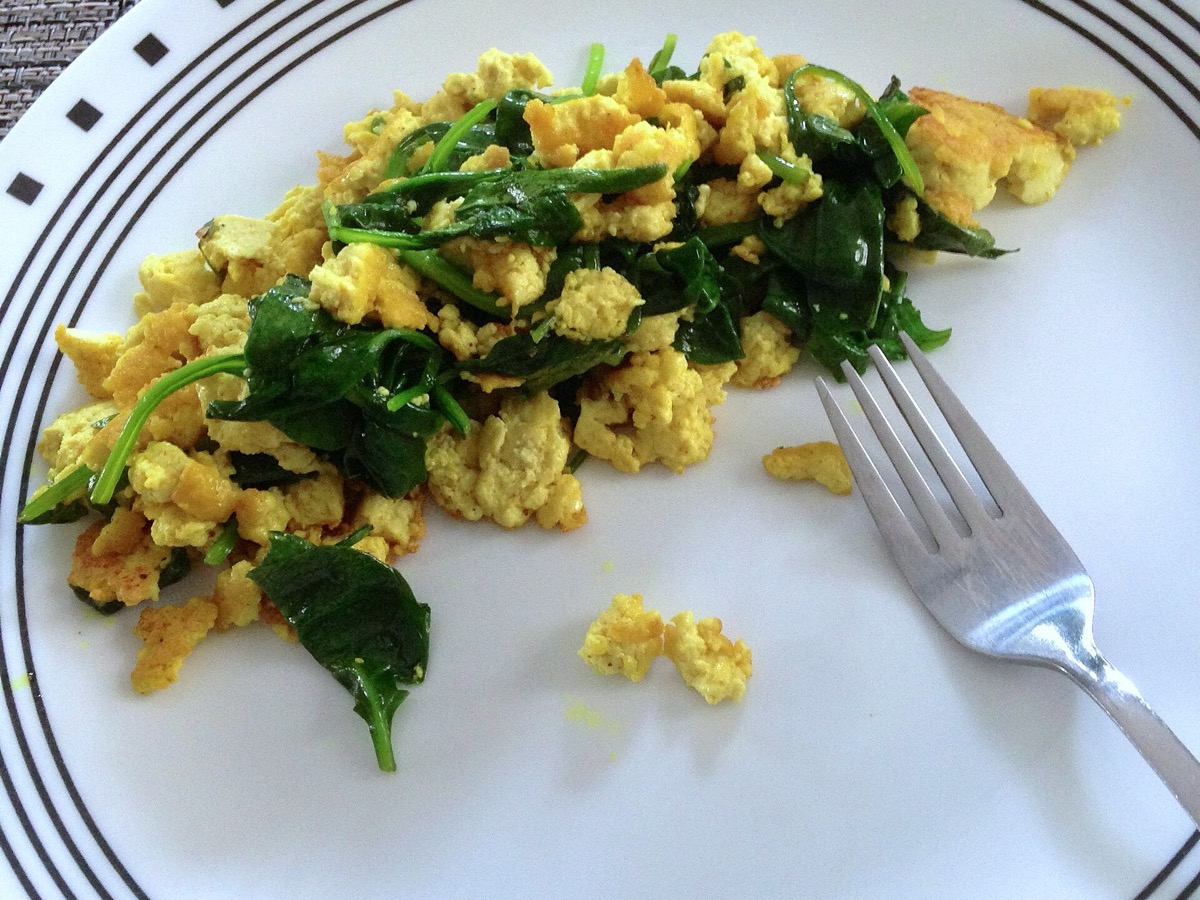
Crumbled into a hot pan with onion, spinach and a pinch of turmeric, firm tofu scrambles the way eggs do. Half a cup of firm tofu made with calcium sulfate (126 grams) has about 22 grams of protein, and a slice of whole-wheat toast adds about 4.
Tofu varies a lot, so check the label. The USDA lists half a cup of another firm tofu, made with nigari, at about 11 grams.
6. Tempeh breakfast hash
Tempeh, made from soybeans, comes as a firm cake that browns well in a pan. Half a cup, about 83 grams, has about 17 grams of protein. Dice it and fry it with potatoes, peppers and onions for a vegan hash.
7. Chickpea flour omelet
Chickpea flour, also called besan, whisks with water and spices into a batter that cooks like a thin omelet. Half a cup of the flour has about 10 grams of protein. Fill it with vegetables and drink a cup of soy milk with it to reach about 17.
8. Black bean breakfast burrito
Half a cup of cooked black beans (about 8 grams), one flour tortilla (about 4 grams) and a 1-ounce slice of sharp cheddar (about 7 grams) make a burrito with about 18 grams of protein. For a vegan burrito, skip the cheese and add a quarter block of crumbled firm tofu, about 14 grams, for about 26 in all.
9. Smoked salmon on a bagel
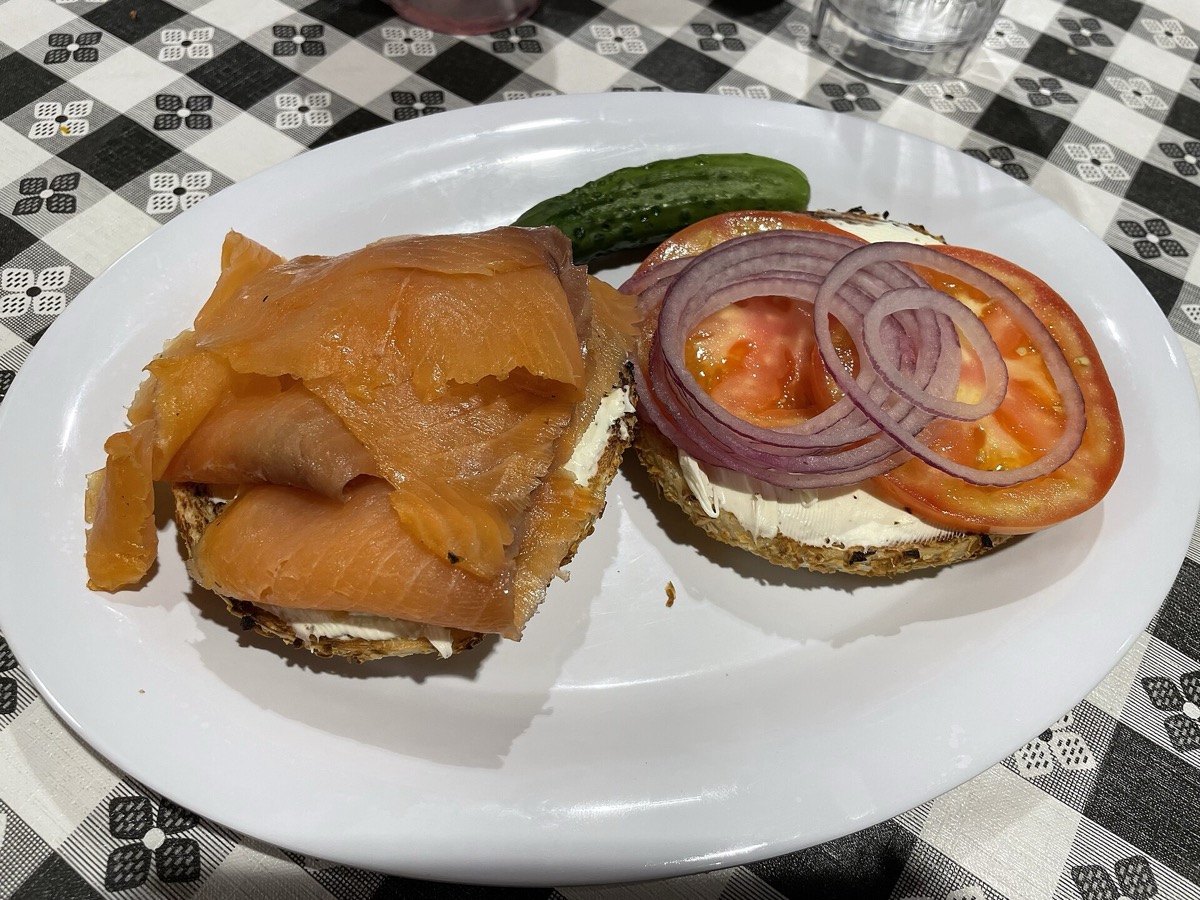
Three ounces of smoked salmon (lox) has about 16 grams of protein, and a medium plain bagel has about 11. With a tablespoon of cream cheese, which adds about 1 gram, the plate comes to about 28.
10. Peanut butter toast and a glass of milk
Two slices of whole-wheat bread (about 8 grams) with 2 tablespoons of peanut butter (about 7 grams) give about 15 grams of protein. A cup of 2% milk brings it to about 23, and a cup of soy milk to about 22.
11. Dinner for breakfast
Half a roasted chicken breast, skin removed (86 grams), has about 27 grams of protein. Wrap last night's chicken in a tortilla with salsa, or warm it over rice with greens.
Easy ways to add protein to any breakfast
When a breakfast comes up short, add one of these. The figures are from USDA FoodData Central.
| Add | Serving | Protein |
|---|---|---|
| Hulled hemp seeds | 3 tablespoons (30 grams) | about 9 grams |
| Hulled pumpkin seeds | 1 ounce (28 grams) | about 9 grams |
| 2% milk | 1 cup | about 8 grams |
| Peanut butter | 2 tablespoons (32 grams) | about 7 grams |
| Unsweetened soy milk | 1 cup | about 7 grams |
| Almonds | 1 ounce, about 23 nuts | about 6 grams |
| Chia seeds | 1 ounce (28 grams) | about 5 grams |
If you avoid eggs because of an allergy
Eggs are one of the nine major food allergens in the United States, and the FDA requires packaged foods to name them on the label, in the ingredient list or a "Contains" statement. Check breads, bagels, tortillas and mixes before you buy.
Several swaps in this guide are major allergens too: milk, soy, peanuts, tree nuts, wheat and fish.
Frequently asked questions
How much protein should I eat at breakfast?
There's no official number for breakfast alone. A 2015 review suggested at least about 25 to 30 grams per meal, and most of the breakfasts above give 17 to 28.
What's the best substitute for eggs at breakfast?
Firm tofu, for a scramble. It crumbles and cooks like scrambled eggs, and half a cup of one firm tofu in the USDA's data has about 22 grams of protein. Check the label, because tofu varies.
Is oatmeal a high-protein breakfast?
Not on its own. Half a cup of dry rolled oats has about 5 grams of protein. Cook or soak it in dairy or soy milk and add chia seeds or peanut butter to bring it to about 17 to 25 grams.
Can a vegan breakfast have enough protein?
Yes. Tofu, tempeh, chickpea flour, beans, soy milk, nut butters and seeds all carry protein. Harvard's Nutrition Source advises mixing plant sources so you get every essential amino acid, and notes that quinoa and chia seeds are complete plant proteins.
Start Eat Well
Pick a goal, work on one eating habit at a time, and log meals with a photo or a few words.
Psst is invite-only. Sign up with code EATWELL
Scan with your iPhone / Download Psst
Psst is invite-only. Sign up with code EATWELL
Sources
- Protein (Harvard T.H. Chan School of Public Health, The Nutrition Source)
- Eat Real Food: Dietary Guidelines for Americans, 2025 to 2030
- Dietary protein distribution positively influences 24-h muscle protein synthesis in healthy adults (Mamerow and colleagues, The Journal of Nutrition, 2014)
- The role of protein in weight loss and maintenance (Leidy and colleagues, The American Journal of Clinical Nutrition, 2015)
- Protein or Amino Acid Intake at Breakfast for Muscle Mass Gain in Older Adults: A Systematic Review and Meta-Analysis (Ikeda and colleagues, Food Science & Nutrition, 2026)
- Food Allergies (U.S. Food and Drug Administration)
- Yogurt, Greek, plain, lowfat (USDA FoodData Central)
- Yogurt, Greek, plain, nonfat (USDA FoodData Central)
- Yogurt, Greek, strawberry, nonfat (USDA FoodData Central)
- Cheese, cottage, lowfat, 2% milkfat (USDA FoodData Central)
- Cereals, oats, regular and quick, not fortified, dry (USDA FoodData Central)
- Milk, reduced fat, fluid, 2% milkfat, with added vitamin A and vitamin D (USDA FoodData Central)
- Soymilk (all flavors), unsweetened, with added calcium, vitamins A and D (USDA FoodData Central)
- Beverages, almond milk, unsweetened, shelf stable (USDA FoodData Central)
- Oat milk, unsweetened, plain, refrigerated (USDA FoodData Central)
- Seeds, chia seeds, dried (USDA FoodData Central)
- Seeds, hemp seed, hulled (USDA FoodData Central)
- Seeds, pumpkin and squash seed kernels, dried (USDA FoodData Central)
- Nuts, almonds (USDA FoodData Central)
- Peanut butter, smooth style, with salt (USDA FoodData Central)
- Tofu, raw, firm, prepared with calcium sulfate (USDA FoodData Central)
- Tofu, firm, prepared with calcium sulfate and magnesium chloride (nigari) (USDA FoodData Central)
- Tempeh (USDA FoodData Central)
- Chickpea flour (besan) (USDA FoodData Central)
- Beans, black, mature seeds, cooked, boiled, without salt (USDA FoodData Central)
- Tortillas, ready-to-bake or -fry, flour, shelf stable (USDA FoodData Central)
- Cheese, cheddar, sharp, sliced (USDA FoodData Central)
- Fish, salmon, chinook, smoked, (lox), regular (USDA FoodData Central)
- Bagels, plain, enriched, with calcium propionate (USDA FoodData Central)
- Cheese, cream (USDA FoodData Central)
- Bread, whole-wheat, commercially prepared (USDA FoodData Central)
- Chicken, broilers or fryers, breast, meat only, cooked, roasted (USDA FoodData Central)