Gifts for book lovers: ideas for every kind of reader
Gift ideas for book lovers for the 2026 holidays, sorted by kind of reader: the commuter, the bedtime reader, the annotator, the book club host and more.
The easiest way to choose a gift for a book lover is to start with how they read, not with a book. A commuter wants something to listen with, a bedtime reader wants good light, an annotator wants tools for the margins, a book club host wants help with the evening, and the person whose shelves are full often wants an experience or a way to pass books on. Below are ideas for each kind of reader for the 2026 holidays, plus a few that cost almost nothing.
Start with how they read
Before you shop, look for clues. What's on the nightstand? Do they carry a paperback everywhere, wear earbuds on every walk, or read on a screen? Do they keep their books or give them away? The answers point to one of the readers below.
Gift ideas by kind of reader
The commuter and audiobook listener
In a Pew Research Center survey of 8,046 U.S. adults in October 2025, 26% had listened to an audiobook in the past 12 months, up from 11% in 2011. For someone who listens on the train or in the car:
- A library card and help setting it up. Los Angeles Public Library, for one, says its card is free and lists more than 1.5 million e-books and audiobooks. Go with them to get a card, then help them borrow a first title on their phone.
- Headphones that suit how they listen: over-ear for long rides, a pair that stays put for walking.
- Credits on the service they already use. If they pay for audiobooks, a gift from the same service saves them a second account.
- A padded sleeve or a sturdy tote for the commuter who carries a paperback in a work bag.
The bedtime reader
- A clip-on book light with a warm, dimmable setting, for reading without waking anyone.
- A print copy of something they'd read on a tablet. In a small study published in PNAS in 2015, 12 healthy young adults spent five evenings reading on an iPad at full brightness and five reading a printed book, about four hours each night before bed in a very dim room. On the iPad nights, they took nearly 10 minutes longer on average to fall asleep. It's one small study of young adults, so treat it as a reason to try paper, not a rule, and leave real sleep trouble to a doctor.
- A wedge pillow or a book stand, for the reader whose arms give out before the chapter does.
The annotator
- Good pencils and a small sharpener, or pens that don't bleed through thin pages.
- Page tabs or slim metal page markers that clip over a page and point at a line, for readers who won't write in a book.
- A notebook for a commonplace book. The habit is centuries old. As Jason Scott-Warren of the University of Cambridge describes it in an interview published by the Folger Shakespeare Library, readers wrote headings such as death, love and God, then copied passages under them as they read.
- A fresh copy of a favorite they've already worn out, to mark up again from the start.
The book club host
- Next month's book, sorted. Buy their copy, or take on getting copies for everyone. Some libraries lend book club kits: St. Louis County Library's include multiple copies of a book and a discussion guide, checked out for up to eight weeks.
- A hosting basket: good napkins, tea or coffee, a candle, and a bowl big enough for snacks for eight.
- A record of the club. A small notebook, or a printed list of every book the group has read, with each meeting's date and the verdict.
- An offer to host one month yourself.
If they're starting a club rather than running one, how to run a book club covers the basics.
The reader who has every book
- A finalist from this year's National Book Awards. The National Book Foundation named five finalists in each of five categories on October 6, 2026, and will announce the winners on November 18, 2026, in a ceremony livestreamed free. Few readers will have read all of them, and the Translated Literature list is a good place to find something new.
- An experience instead of an object: tickets to an author talk, or a bookbinding or letterpress class.
- A bookplate stamp or embosser with their name, for the books they lend out.
- A donation in their name. First Book, a nonprofit that says it reaches 6.5 million kids a year in low-income communities across North America, lets you dedicate a donation in someone's honor, with a message and an eCard sent to their email.
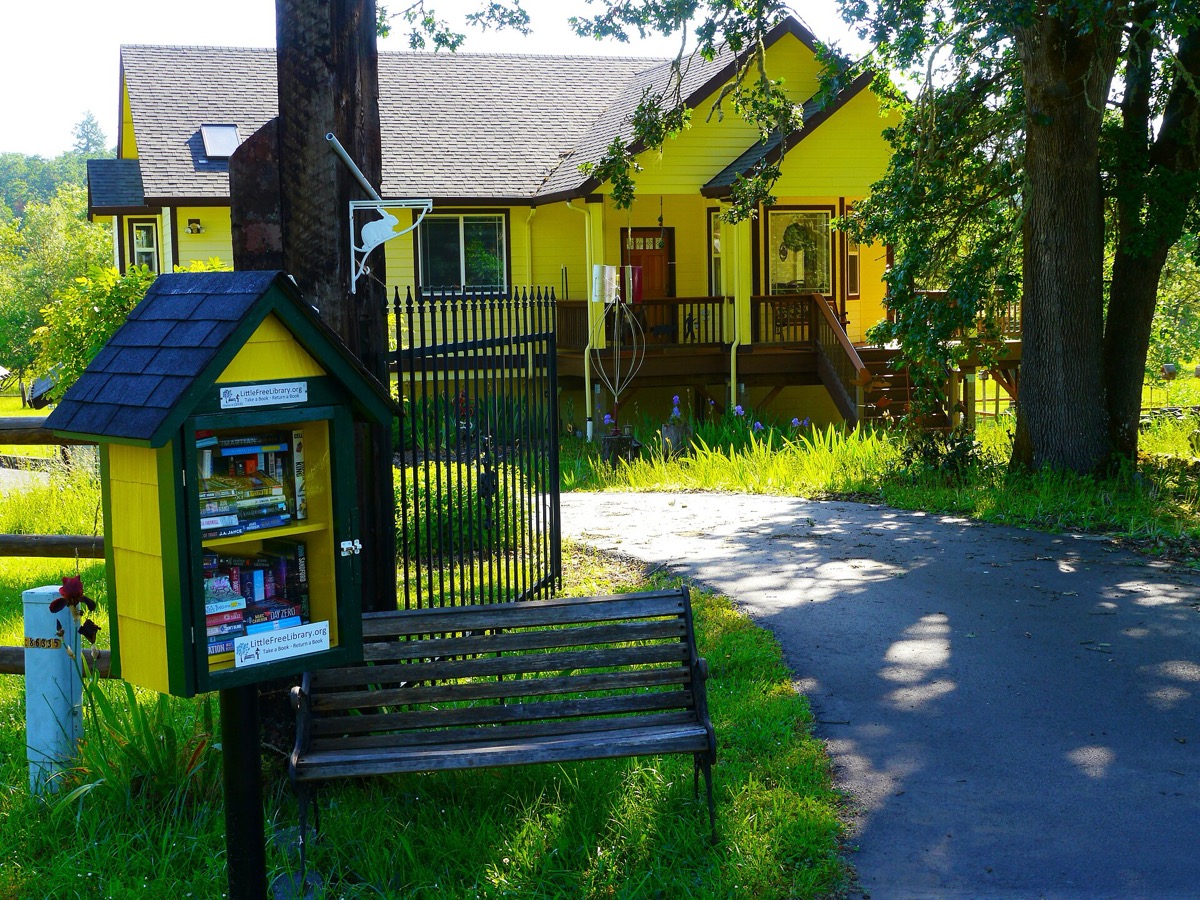
- Help passing books on. Little Free Library, a nonprofit based in St. Paul, Minnesota, helps volunteers set up small book-sharing boxes in their communities. Its guide says you can build one in any design, then register it by buying an official charter sign and add it to the group's map.
The reader who wants to read more
- Time. Take the kids or the errands for an afternoon, and leave them with a book and a quiet room.
- A stack of short books, each one finishable in a weekend, to rebuild the habit.
- A standing reading date. Once a month, the two of you read side by side in the same café for an hour.
Gifts that cost little or nothing
- A handwritten reading list. Twelve books, one for each month, each with a line on why you chose it for them.
- A book swap. In Iceland, the flood of new books before Christmas has a name, Jólabókaflóð, the Christmas Book Flood, and Iceland's tourism site describes the custom of exchanging books on Christmas Eve and reading them through the evening. Ask everyone at a holiday gathering to bring one wrapped book they loved, and trade.
- Your own copy, with your notes in the margins, so they can read it alongside you.
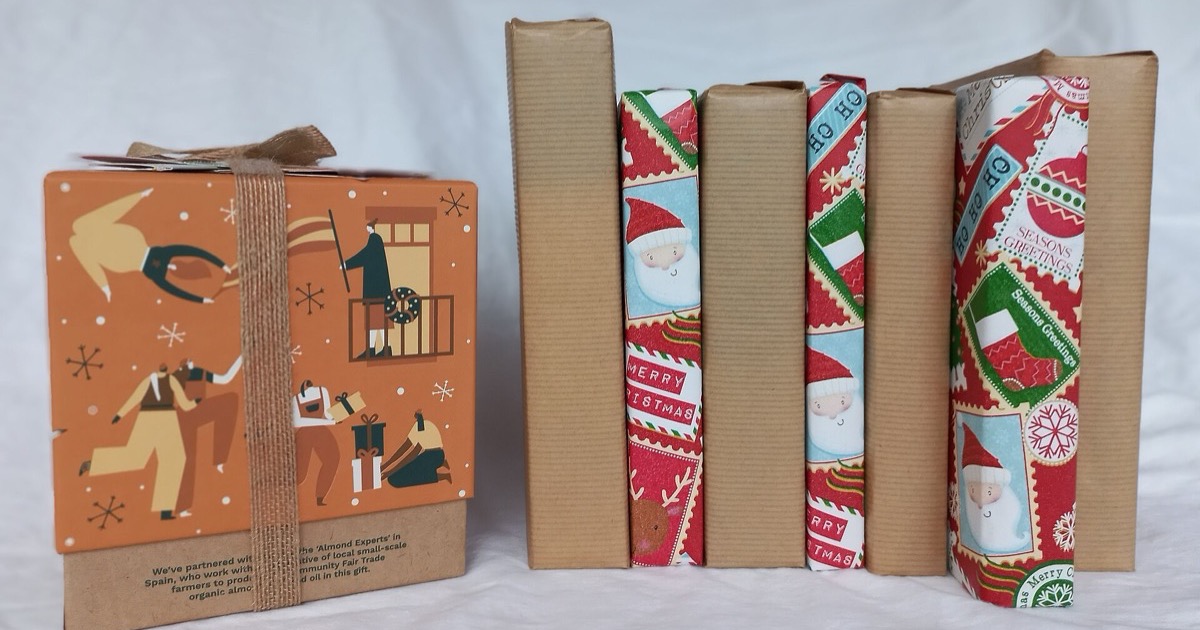
- A blind date with a book. Wrap a book in plain paper and write three clues on the front: the genre, the mood and one line about the plot.
If you're giving a book
- Choose one they wouldn't buy themselves: a handsome edition of a book they love, or something from the genre next to the one they read most.
- Check their shelves first, or ask someone who lives with them, so you don't repeat a book they already own.
- Ask a bookseller. Name three books they loved and one they didn't, and let them take it from there.
- Consider a subscription box if they like surprises. Pick one chosen by a person whose taste is close to theirs, and check whether it sends hardcovers or paperbacks.
Frequently asked questions
What do you get someone who has a lot of books?
Something that doesn't add to the pile: tickets to an author event, a bookplate stamp, a donation in their name, or help setting up a Little Free Library to pass books on. If you still want to give a book, try a 2026 National Book Award finalist.
Is a gift card a thoughtful gift for a reader?
Yes, if it's for the bookshop they already visit, since they get the browsing as well as the book. Add a note with a title or two you think they'd enjoy, so it feels chosen.
Should you give a print book, an e-book or an audiobook?
Match how they read. Print is still the most common format: in Pew's October 2025 survey, 64% of U.S. adults had read a print book in the past year, against 31% for e-books and 26% for audiobooks.
What should you write inside a book you give as a gift?
The date, their name, and a line or two on why you chose this book for them. Write it on the first blank page, and use pencil if they're the kind of reader who would mind ink.
Start Book Club
Log your reading, get the story behind the book, and hear what friends thought at your chapter.
Psst is invite-only. Sign up with code BOOKCLUB
Scan with your iPhone / Download Psst
Psst is invite-only. Sign up with code BOOKCLUB
Sources
- Americans still opt for print books over digital or audio versions; few are in book clubs (Pew Research Center)
- Get your library card (Los Angeles Public Library)
- Evening use of light-emitting eReaders negatively affects sleep, circadian timing, and next-morning alertness (Chang, Aeschbach, Duffy and Czeisler, PNAS, 2015)
- Commonplace books and sammelbands: Active reading in the 16th century (Folger Shakespeare Library)
- Book discussion kits (St. Louis County Library)
- The 77th National Book Awards (National Book Foundation)
- Here are the finalists for the 2026 National Book Awards (OPB)
- About First Book: our mission and impact
- Donate to give in honor or make a tribute gift (First Book)
- About us (Little Free Library)
- Start a Little Free Library
- The Christmas Book Flood (Visit Iceland)