Easy weeknight dinners for two
Twelve dinners for two that take about 30 minutes, plus how to plan and shop so you cook once, eat twice and don't end up with a fridge full of leftovers.
Fast dinners for two come from a short plan more than a short recipe. Pick four or five dinners for the week, buy only what they use, and cook a few things twice on purpose: extra rice becomes fried rice, extra chicken becomes tacos, half a pot of chili goes in the freezer. Then most nights take about 30 minutes, and nothing sits in the fridge long enough to be thrown out.
Plan the week: cook once, eat twice
North Dakota State University Extension's guide to cooking for one or two suggests planning menus a week at a time and building in "planned-overs": food you make extra of on purpose so it turns into a different meal later. Its examples: a small Sunday roast that becomes sandwiches on Monday and a stir-fry on Tuesday, or spaghetti sauce served over noodles one night and turned into chili with kidney beans and chili seasoning the next time.
Keep planned-overs inside USDA's window: cooked leftovers keep 3 to 4 days in the refrigerator. Use them by midweek or freeze them right away. Frozen leftovers stay safe indefinitely, but USDA says they're best within 3 to 4 months, before they lose moisture and flavor. Freeze in containers sized for two, labeled with what's inside and the date.
Then order the week by what spoils first. FoodSafety.gov's storage chart gives raw chicken pieces and ground meat 1 to 2 days in the fridge, and fatty fish such as salmon 1 to 3 days. Pork chops and steaks keep 3 to 5 days. So cook the chicken and fish early in the week and save the chops for later.
Shop for two
- Buy frozen where it saves waste. NDSU points out that frozen vegetables and chicken breasts let you use just what you need. A bag of frozen shrimp works the same way.
- Buy in bulk only if you'll repackage it. Otherwise fruit can spoil before you finish it, and a lower unit price is no deal if you tire of the food first.
- Pay for convenience when the amount fits. Prewashed, precut produce usually costs more, but it often comes in amounts two people actually use.
- Pick up a rotisserie chicken. USDA gives store-cooked chicken 3 to 4 days in the fridge, enough for two dinners.
- Thaw tomorrow's dinner tonight. Even a pound of ground meat or boneless chicken breasts takes a full day to thaw in the refrigerator, USDA says.
Twelve dinners for two
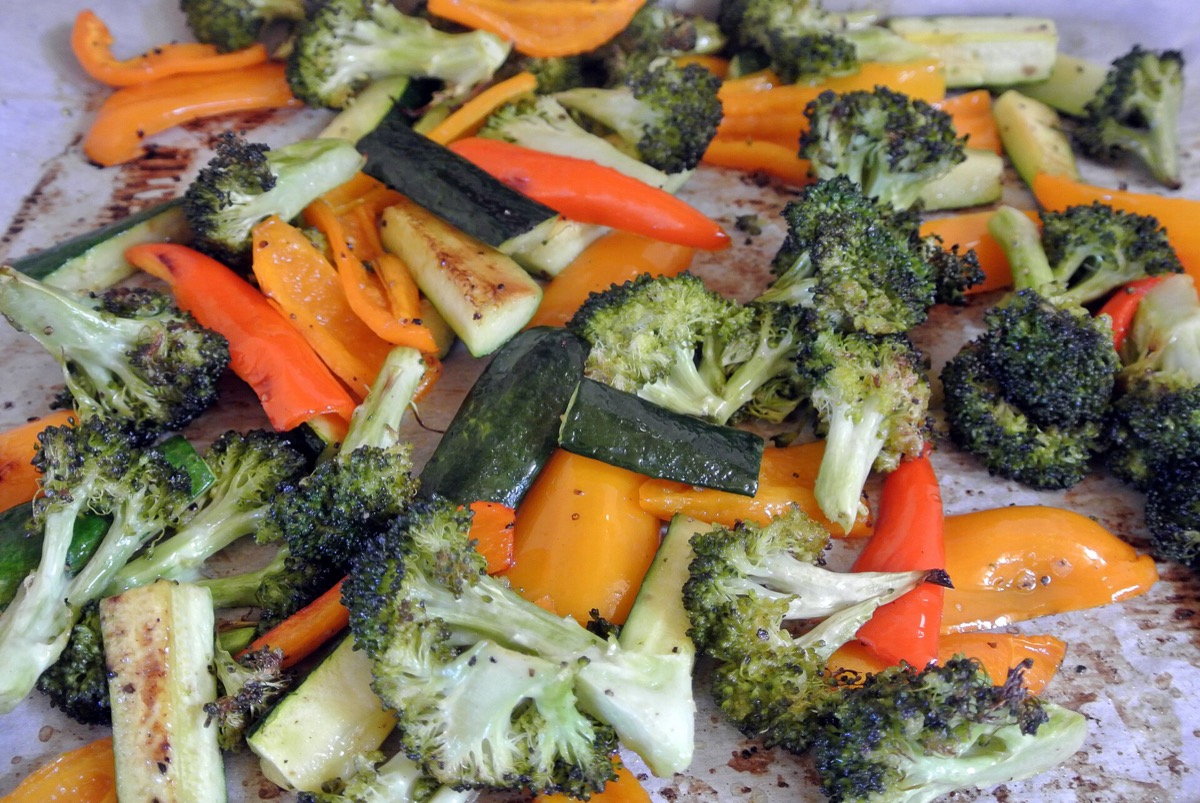
1. Sheet-pan chicken and vegetables
Boneless chicken breasts roasted on one pan with broccoli, peppers and small potatoes, about 35 minutes, most of it in the oven. Boneless breast is the shortcut: USDA's chart puts 4-ounce boneless breast halves at 20 to 30 minutes at 350°F, against 40 to 50 minutes for legs or thighs. Cut the potatoes small so they finish with the chicken, and roast four pieces so two are left for tacos.
2. Chicken tacos
The second night of the sheet-pan chicken, about 15 minutes. Slice the chicken, warm it in a skillet with a spoonful of salsa, and fill tortillas with it, shredded cabbage and lime. Leftover rotisserie chicken works the same way.
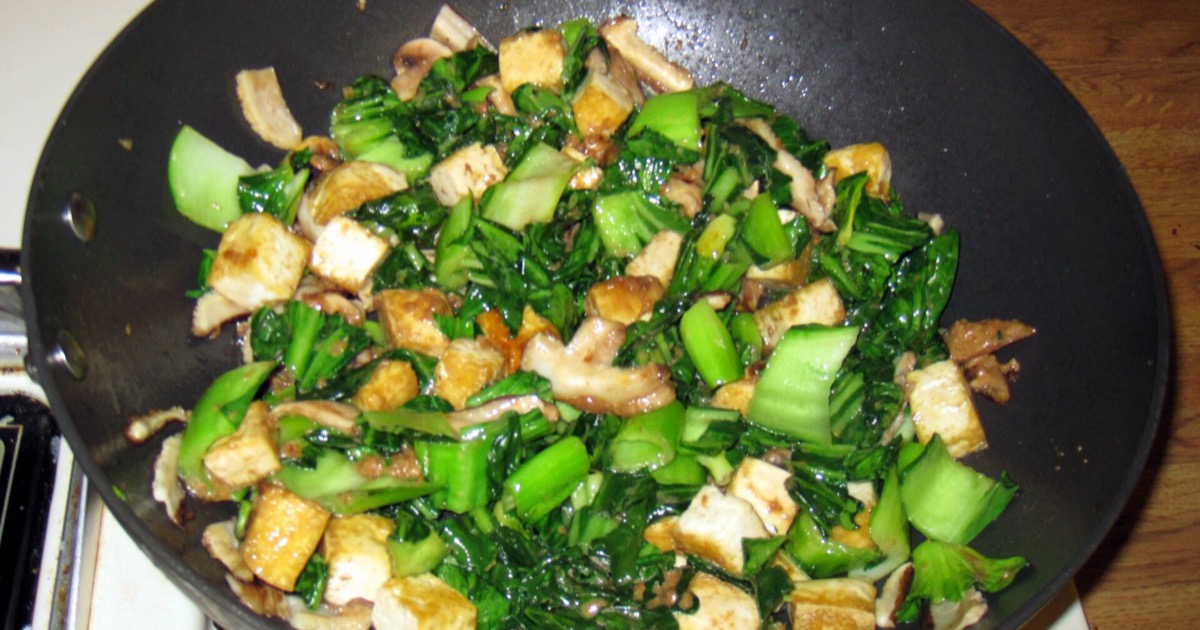
3. Tofu and bok choy stir-fry
Firm tofu, bok choy and mushrooms in a hot pan with soy sauce, garlic and ginger, about 25 minutes with rice. The shortcut is for later in the week: cook twice the rice you need and refrigerate half.
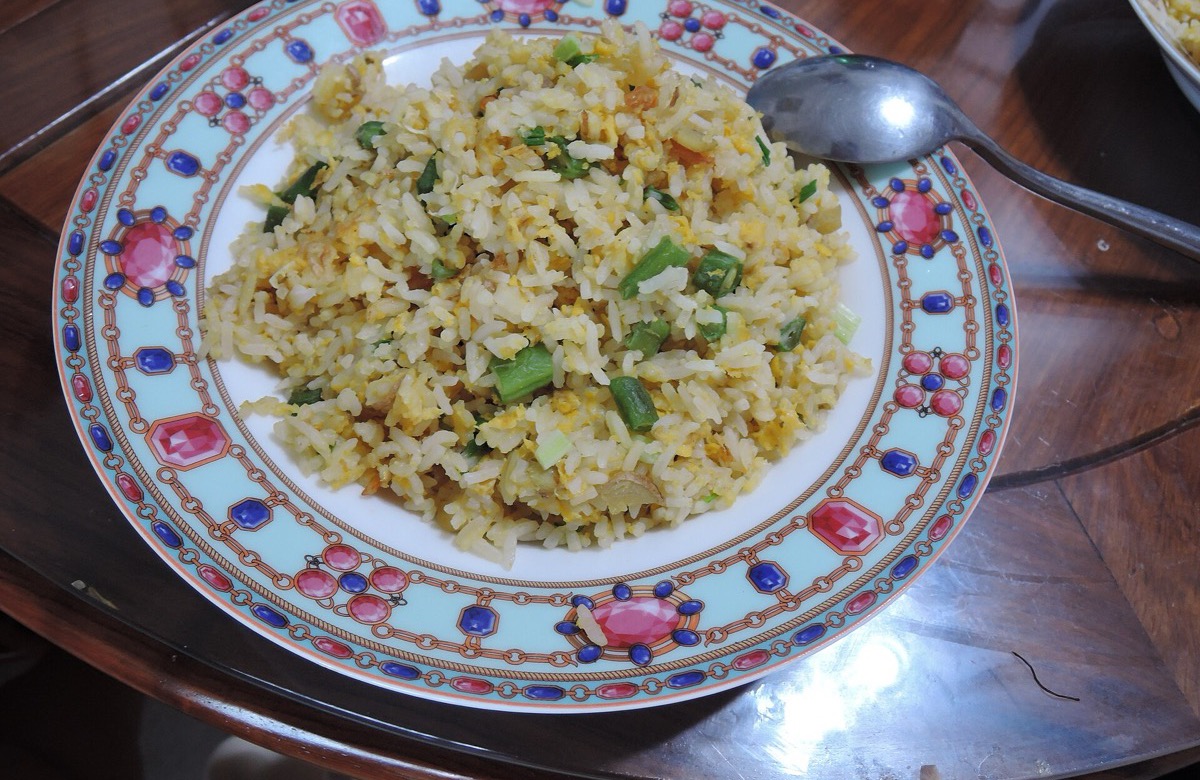
4. Egg fried rice
The rice from stir-fry night, fried with scrambled egg, frozen peas and scallions in about 15 minutes. Cold rice fries into separate grains where fresh rice turns sticky. Cook the egg until it's firm.
5. Salmon and couscous
Two salmon fillets seared or roasted while a pot of couscous sits covered off the heat, about 20 minutes. Buy fresh salmon for the next day or two, or keep frozen fillets and move them to the fridge a day ahead.
6. Shrimp and garlic spaghetti
Shrimp sautéed in olive oil with garlic, lemon and chili flakes, tossed with spaghetti, about 20 minutes, which is how long the pasta takes. Keep frozen shrimp on hand: USDA says a sealed package of about a pound may thaw in cold water in an hour or less if you change the water every 30 minutes. Cook it right after it thaws.
7. Turkey chili
Ground turkey, onion, canned beans and canned tomatoes, simmered for about 30 minutes. Make the full pot: one night as chili, one over baked potatoes, and the rest in the freezer. Soups and stews keep 3 to 4 days in the fridge and 2 to 3 months in the freezer for best quality.
8. Chili baked potatoes
NDSU's own idea for planned-over chili: spoon it over microwave-baked potatoes with cheese, plus scallions or sour cream if you have them. About 15 minutes. Bring the chili to a rolling boil before it goes on, as USDA advises for reheated soups and sauces.
9. Pork chops with skillet apples
Two boneless loin chops seared in a skillet, then sliced apples and onion softened in the same pan while the chops rest, about 25 minutes. USDA's chart puts 3/4-inch chops at 7 to 8 minutes in a skillet. Since raw chops keep 3 to 5 days, this is a good late-week dinner.
10. Sausage, white beans and greens
Sliced fully cooked chicken sausage browned with canned white beans, garlic and a bag of spinach, about 20 minutes, with bread for the pan juices. Fully cooked sausage keeps a week in the fridge, so it waits until you need it.
11. Chickpea and spinach curry
Canned chickpeas simmered with onion, curry paste, coconut milk and frozen spinach, about 25 minutes, over rice or with naan. It comes entirely from the pantry and freezer, which makes it the dinner for the night the plan falls apart.
12. A frittata from the last of the week
Eggs beaten with whatever vegetables, cheese or cooked potatoes are left, set on the stove and finished under the broiler, about 25 minutes. It clears the fridge before the next shop, and raw eggs in the shell keep 3 to 5 weeks, so they're always there for it.
Keep it safe
FoodSafety.gov says to check meat with a food thermometer. These are the temperatures for the dinners above:
| Food | Safe minimum internal temperature |
|---|---|
| Chicken and turkey, including ground and sausage | 165°F |
| Ground beef and pork, pork sausage | 160°F |
| Pork chops and steaks | 145°F, then rest 3 minutes |
| Fish such as salmon | 145°F, or until it's no longer translucent and separates easily with a fork |
| Shrimp | Until the flesh is pearly or white, and opaque |
| Egg dishes such as a frittata | 160°F |
| Leftovers | 165°F |
For cooking ahead, USDA's leftover rules:
- Cool it fast. Refrigerate leftovers within 2 hours of cooking (1 hour above 90°F), divided into shallow containers so they chill quickly.
- Reheat it covered. Bring leftovers to 165°F, and bring sauces and soups, chili included, to a rolling boil.
- Never thaw on the counter. Thaw in the fridge, in cold water or in the microwave, and cook food thawed in cold water or the microwave right away.
Frequently asked questions
How long do leftovers last in the fridge?
Three to 4 days, according to USDA. For longer, freeze them: frozen leftovers are safe indefinitely and taste best within 3 to 4 months.
Can you cook chicken from frozen?
Yes. USDA says it's safe to cook meat and poultry straight from the freezer. It takes about 50% longer than thawed or fresh.
How do you cut a recipe in half for two?
Halve each ingredient, and refrigerate or freeze the other half of any can, labeled with the date. NDSU suggests checking a halved recipe for doneness 5 to 10 minutes sooner than the original says, and when a recipe calls for three eggs, using two and cutting 2 to 4 tablespoons of liquid.
How do you cook for two without wasting food?
Plan the week with a few planned-overs, buy frozen vegetables and proteins so you take out only what you need, and freeze leftovers in meal-sized containers while they're still within USDA's 3 to 4 days.
Start Meal Prep
Weekly meal ideas for your household, so you never decide what to buy on the spot.
Psst is invite-only. Sign up with code MEALPREP
Scan with your iPhone / Download Psst
Psst is invite-only. Sign up with code MEALPREP